


Dogs are part of our family, they greet us happily when we get home, they know when we are sad, we share important moments of our lives with them, and many other things. However, most of the time we don't know how to interpret what they want to tell us, what they like or what they don't like. Today we will tell you 10 tips to better understand them.
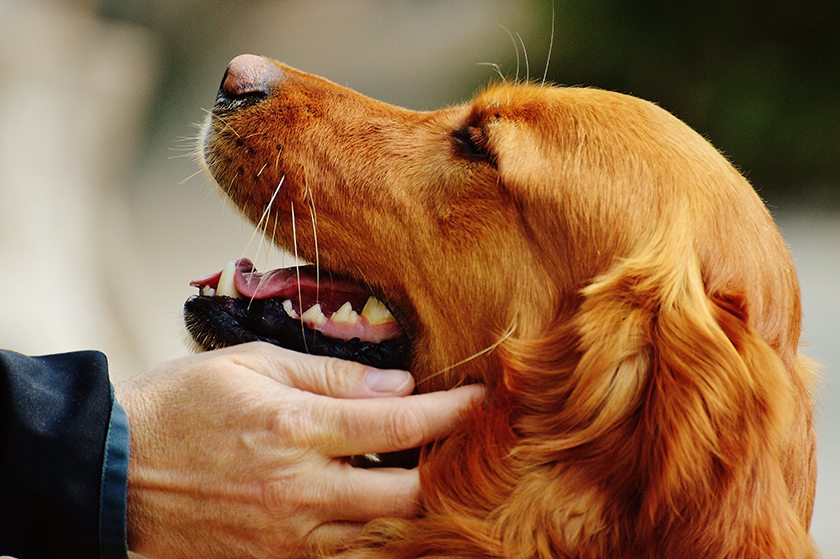
1. They want you to learn their language. ARISTODOGS and humans have a completely different verbal and physical language. They understand us perfectly, they know our tones of voice, movements, etc. Therefore, we have to make an effort to research their language and understand our pet's personality. There are many books that can help you understand dog psychology, such as "Learning and Animal Mind" by Karen Pryor.
2. They want you to pay attention to them. When dogs are sick, they express their ailments differently from humans. If you notice a sudden change in your furry friend's attitude, pay attention, they are probably trying to tell you something. For example, not wanting to play with their favorite toys, not wanting to be petted, and lack of appetite are some of the attitudes we should be aware of.
3. They don't want you to pull on them when you take them for a walk. We think that pulling hard on the leash when our pet does something wrong on their walk will make them learn. That is one of the most common mistakes made by ARISTOPARENTS. If we pull hard on the leash, they won't understand what we want to tell them, they will feel that we are nervous, and that will make them more nervous. It will also hurt their neck and can lead to health problems. However, if your ARISTODOG is a puppy and pulls a lot on the leash when walking, we recommend that you put a harness on them, this will avoid possible health problems.

4. They want you to let them be. Many times we take our furry friends for a walk and as soon as they see mud, they run there and roll around, getting dirty and smelly. First of all, remember that they don't do it to bother you; it's just an instinct they've had since ancient times. Their goal? To hide their scent so predators don't find them. So when it happens, take it easy, laugh, and let them be!
5. They don't want to be humanized. Dogs are animals and want to remain animals. Sometimes we exaggerate when showing affection, treating them as if they were babies; this can cause them anxiety. Another important point is that a dog is not an accessory that should match our clothing. It is important, for example, to put coats or sweaters on them during winter, but dressing them up and humanizing them is a serious mistake. They should exercise, go to the park, and discover new smells.
6. They want you to be patient with them. This applies best to all adopted furry friends who haven't had a happy life. When they first come home, we want to give them everything, pet them, and play with them. However, they may ignore us or be a bit "standoffish" with us. Remember that this behavior has a reason, and it's most likely a consequence of their past. Be patient, don't lose your temper with them; it's a job that can take months, but in the end, when they overcome their fears and anxiety, they will be grateful, and you will have the best friend in the world.
7. They want you to know when they are stressed. If your pet scratches and licks themselves nonstop, we should be alert, as they are most likely stressed or anxious. This usually happens when we ask them to do things and they don't understand us. This behavior is similar to when humans bite their nails.
8. They want to have fun with you. When we decide to bring a pet into our lives, it's to spend time with them, go for walks, or simply sit next to each other, pet them, and much more. Find out what they like best: chasing a ball or a squeaky toy? Going for a run or sniffing other dogs at the park?

9. They want you to be happy. It is scientifically proven that dogs like to see their ARISTOPARENT happy. They can differentiate between a happy face and a sad one. So for your ARISTODOG to be happy, you have to be happy too. They will receive your positive energy and will be a strong and healthy dog.
10. They want their last years to be peaceful. The last years of our best friend are tough. When the time comes to say goodbye, try not to be selfish and ask yourself if they are truly feeling well and can continue with a good quality of life. Try to provide them with all possible comfort, don't force them to take long walks, go at their pace, and provide them with food appropriate for their age. Remember that they no longer have the same strength they did a few years ago.

We hope these tips help you build bonds throughout your ARISTODOG's life. It's important to know how to communicate with them, as this will ensure their health and happiness.