The news of "Brexit" shocked thousands and thousands of European Union citizens. It has been months of uncertainty, of thinking about what to do and how, to carry out a process for which there is no clear path. The letter sent a few weeks ago by Theresa May to the President of the European Council, Donald Tusk, confirmed the firmness of the decision and urged the immediate start of the departure.
Much has been said about it. About the consequences, especially economic, that the UK's departure from the Union will have for both. And although that is, without a doubt, extremely important. Sometimes, the issue is reduced to simple figures and the consequences that this rupture has for people are forgotten.
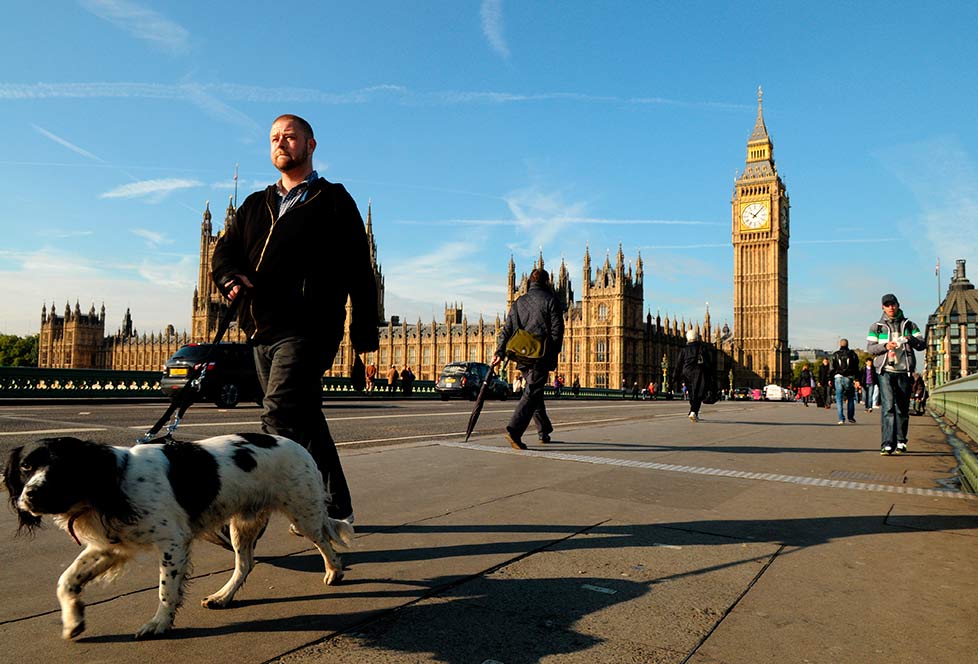
At ARISTOPET, always thinking of our beloved pets, we go one step further and ask ourselves, not without concern, what consequences this decision has on the lives of our ARISTOPETS.
It might be thought that this is a minor detail, compared to what is to come. In fact, the spokesperson for the European Commission, Alexander Winterstein, showed he had not thought about it (he gave vague answers), when a British journalist from Euractiv asked about the priority status of pets when planning the divorce negotiations between London and Brussels. Here you can see the moment in question (and pay attention to the giggles of the other journalists. Incomprehensible!):
But it continues to worry us. More than anything, because the freedom of movement of the 250,000 ARISTODOGS and ARISTOCATS that travel each year between the United Kingdom and the 27 countries of the Union is up in the air. It is a reality. We do not know what is going to happen. And it does not seem that this issue is on anyone's agenda.
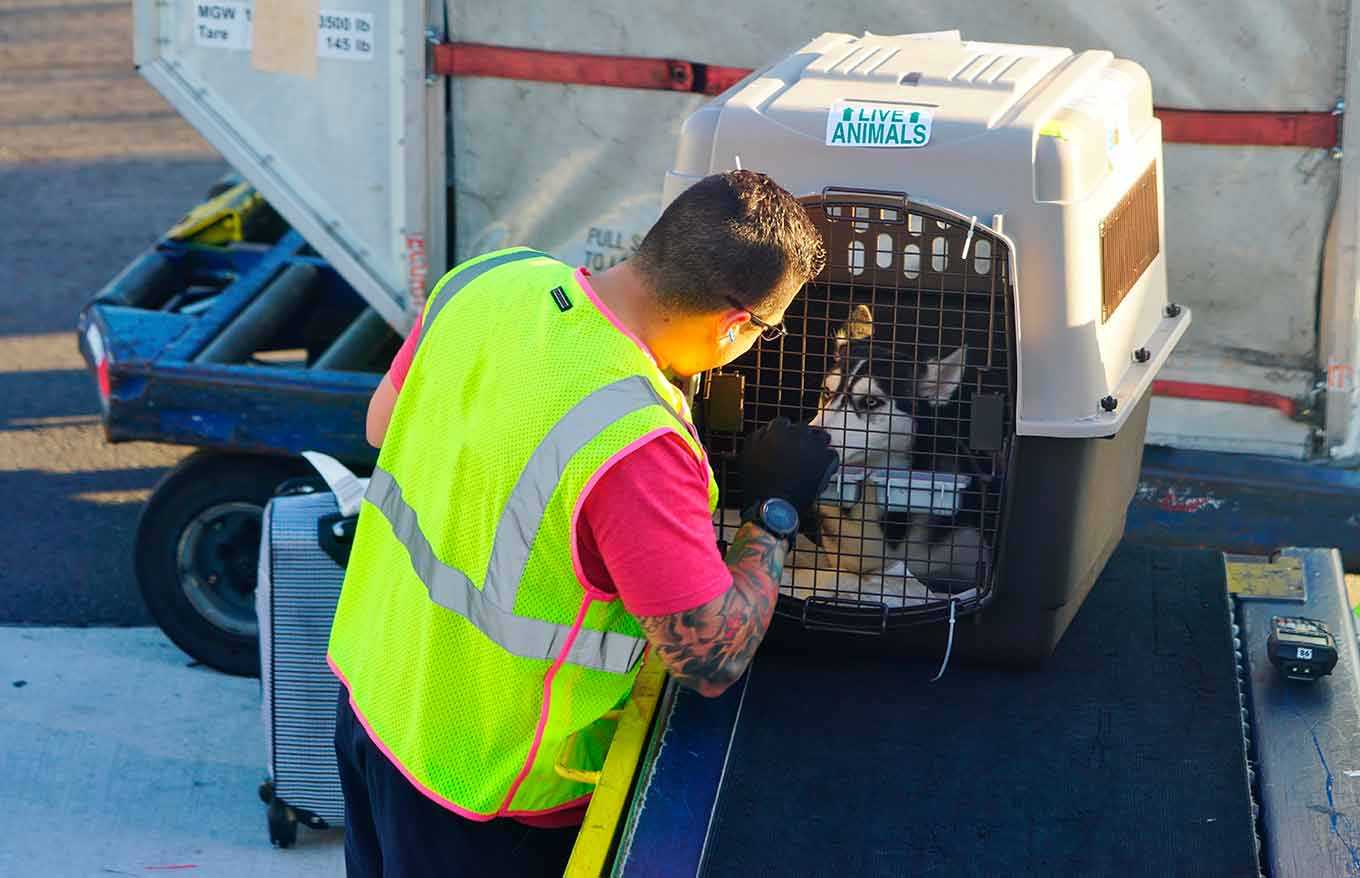
Until now, dogs, cats and ferrets can move freely within the European Union, as long as they are accompanied by their owners and are properly provided with a pet passport. A system that, curiously, was started by the United Kingdom, where rabies was eradicated years ago, and that the EU as a whole adopted in 2012.
The pet passport affects us a lot in Spain. There are about 308,820 Britons residing in our country. And in 2016, according to data from the National Institute of Statistics (INE), we received 17.8 million tourists from the United Kingdom. Therefore, this country is the main place of origin of tourists who come to Spain. Many of them also do so with their pets. Surely, in the future, the process will be more complicated.
If we look at it in reverse, about 200,000 Spaniards currently reside in British territory. Many of them already have their pets with them. And others perhaps were thinking of doing so as soon as possible, as soon as their professional situation settled. But what now? The outlook, no doubt, is much more uncertain.
Unfortunately, we do not know what is going to happen. And there is little we can do. Except to urge institutions and their representatives to consider during negotiations that their decisions not only affect economies, trade, tourism, diplomacy... but above all people. And, therefore, all those who share their lives with ARISTODOGS, ARISTOCATS and ferrets.
Until we know what happens, it wouldn't hurt to look at the current regulations for traveling with pets between non-EU countries…