


A few days ago, Spanish society was shocked by the news that an elephant had died and four others had been injured in a traffic accident. The truck they were being transported in overturned while driving on the A-30, near Pozo Cañada, in Albacete. The pachyderms belonged to the Gottani circus.
The Gottani circus managers claim that they had all the mandatory European documentation in order to travel with animals. The trailer was also approved, and the driver tested negative for alcohol and drugs at the time of the accident. Therefore, by all accounts, it was a tragic accident, from which both the elephants and the emotionally affected circus members will take time to recover.
While it is true that this is not about demonizing anyone, this tragedy has reopened the debate about animal circuses. This is a matter of concern to a large part of Spanish society, and political parties — with a few exceptions — continue to fail to address it adequately at the state level. In some autonomous communities and many cities, such circuses have been banned, but circus associations can appeal these decisions due to a lack of official regulation.
And that's where we stand in Spain. Meanwhile, not far from here, our European neighbors continue to improve in terms of animal protection. The latest to set an example has been the United Kingdom, which recently announced that the end of circus shows with wild animals is very near. It gives the industry two years to adapt.
Let it be clear that these decisions are not made to sabotage an industry, but with animals in mind — animals whose welfare and safety have been utterly disregarded for decades — prioritizing their well-being and safety over economic interests. Because... how does circus life affect wild animals?
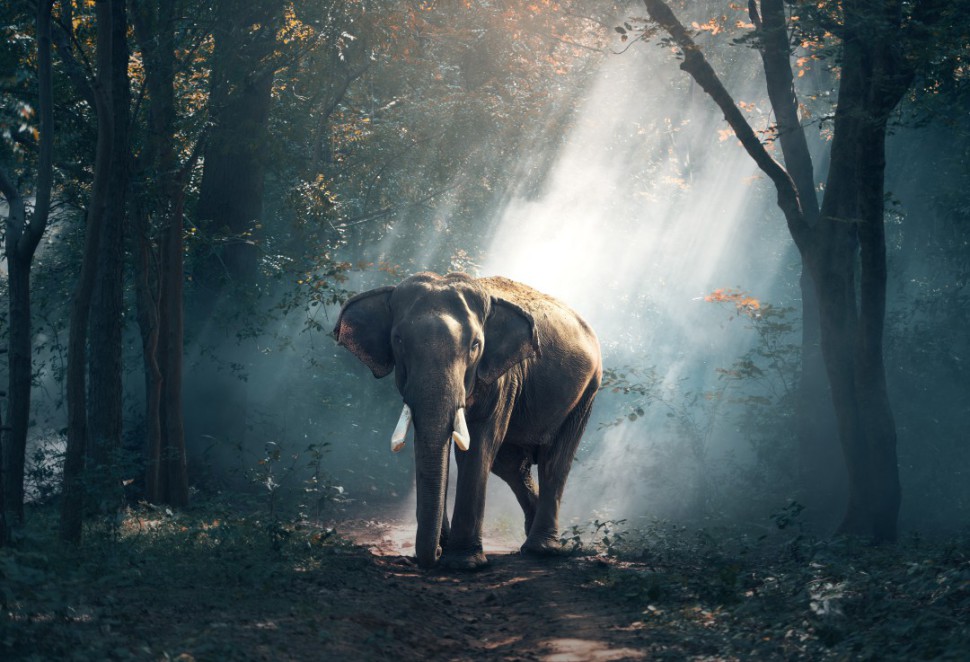
As its name suggests, a wild animal is not meant to live caged, but quite the opposite. A wild animal is not meant to do what humans want, but to do what its true nature dictates. Captivity deprives them of their freedom, condemning them to spend most of their lives caged or chained. Captivity limits them. Their needs, instincts, and natural behaviors are constrained and weakened by the lack of space and interactions with others of their species.
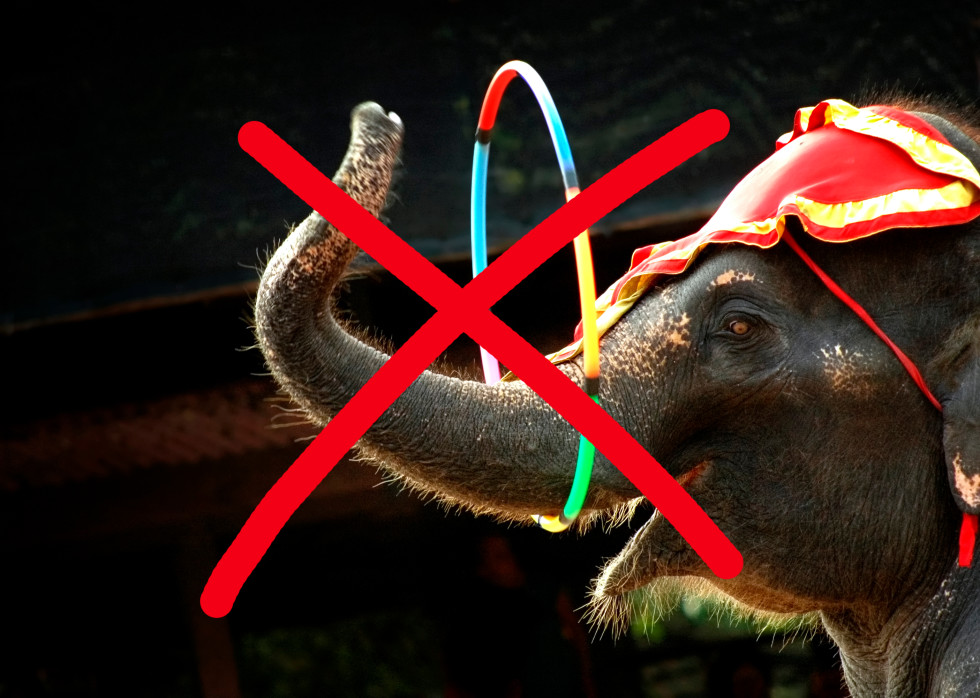
As if that weren't enough, they are subjected to very harsh training and dubious training techniques — not in all cases, of course, but in many. Behaviors are forced through endless repetitions. Their behavior is modified. Only in this way can they be made to do things they would never do in their entire wild lives, such as walking on two legs, jumping through hoops of fire, riding bicycles...
In short, by exploiting them for commercial purposes (camouflaged with the entertainment component), wild animals are objectified. It does not matter if they become frustrated, alienated, depressed, or even suffer from mental disorders and diseases.
That is why the era of circuses with wild animals is coming to an end in many European, South American, and Asian countries, and in many North American states. Meanwhile, in our country, some of us continue to get angry, lamenting tragedies like that of the Gottani circus and throwing our hands up in despair at the passivity of the institutions. And that's where we remain: with the right to complain, in the absence of a General Law agreed upon by all political parties that would end, once and for all, this drama, which speaks volumes and very badly about our country.