


Summer diarrhea in dogs is usually more common than we think. With changes in schedule and the arrival of high temperatures, it is common for our pets to consume more water and new foods, which can cause them to defecate more frequently or have softer stools.
Today, at ARISTOPET, we want to give you some recommendations to keep in mind if your dog has diarrhea.
Why does summer diarrhea occur?
In a normal digestive process, food would take about eight hours to reach our dog's small intestine, where about 80% of the water contained in the food would be absorbed. However, when this transit is faster than it should be, it results in lower water absorption and our pet having softer or liquid stools.
Diarrhea is not a disease, but a symptom of some other underlying problem. The most common cause is usually a dietary change: a sudden change in food, or eating or drinking something off the street that doesn't agree with them.
Recommendations
Alba Pérez, a veterinarian specializing in Nutrition, Internal Medicine, and Oncology, and creator of Vetropía Virtual Veterinary Consultation, provides us with a series of recommendations to consider in cases of summer diarrhea.
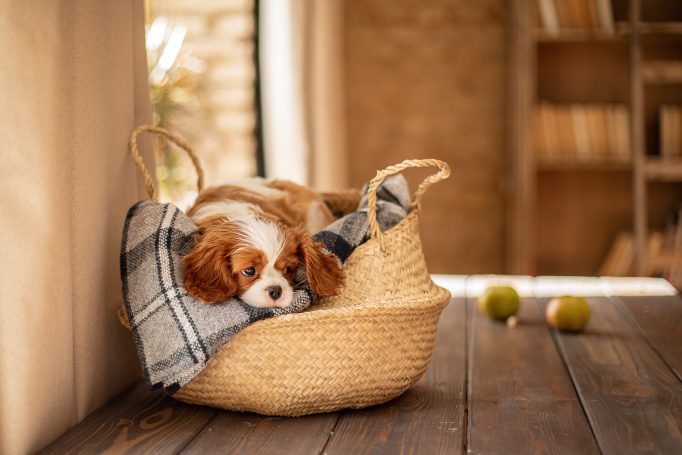
Recipe for the first day of diarrhea: Moorish carrot soup
This will be one of your biggest allies during these episodes. It works great because when carrots are cooked for a long period, they contain sugars very similar to receptors that both dogs and humans have in the intestine, which help expel bad bacteria and germs.
To prepare it, you will need these ingredients:
- 500 grams of carrots
- 1 liter of water
- 1 pinch of sea salt
Steps for its preparation:
- Cut the carrots into thin slices.
- Boil 1 liter of water for an hour and a half. Since some water will be lost during the cooking process, add more fresh water until you have one liter of soup.
- Blend everything and add a pinch of salt.
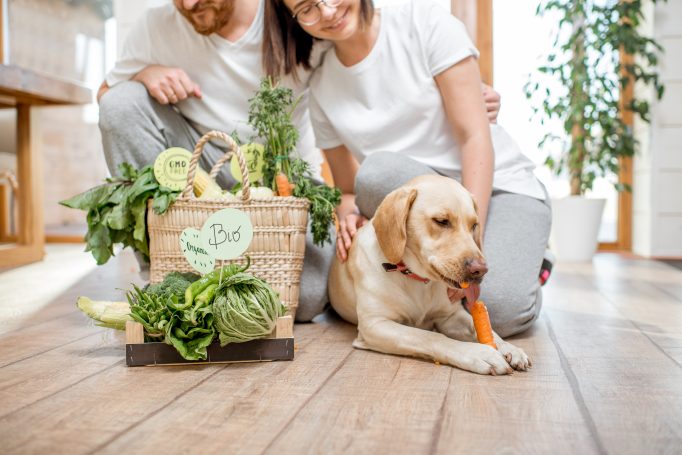
Switch to a bland diet
For the second day, if your dog's diet is based on dry food, it is very important to switch to a completely bland diet to prevent dehydration and increase fluid intake.
Alba recommends preparing meals with a 50% protein and 50% carbohydrate ratio to help support their digestive system during this delicate time. She advises choosing from these foods:
-
Boiled or steamed animal protein:
- White meat: chicken, turkey.
- White fish: hake, monkfish.
-
Carbohydrates, which will help to firm up the stool:
- Rice. Our biggest ally for diarrhea. If your pet doesn't like it or is allergic, you can substitute it with sweet potato or pumpkin.
- Boiled potato.
- Pasta.
The daily amount you should give will depend on their weight, size, and physical activity:
- Dogs with high physical activity or medium/large size: 3% of their weight. For example: if the dog weighs 10kg, they should receive 300 grams of food.
- Dogs with low/moderate physical activity or small size: between 4% and 5% of their weight. For example: if the dog weighs 5 kg, they should receive between 200-250 grams of food.
Once you have the daily amount you should give your pet, it is important to divide it into four or five meals a day to avoid overloading their digestive system and help it work calmly.
Fasting may also be a good option to combat diarrhea, but it is not always advisable depending on the animal. For small dogs, sick animals, or puppies, fasting can be dangerous as going without food can cause a drop in blood pressure or blood sugar. Always consult your veterinarian if you have any doubts.
Recommended foods for summer diarrhea
Prebiotics: plant-based fibers that stimulate the growth of good bacteria and serve to feed probiotics. They have great benefits such as increasing nutrient absorption capacity, as well as improving the immune system and reducing inflammation. Some foods with prebiotics are:
- Moorish carrot soup
- Green asparagus
- Artichokes
- Peeled and grated apple.
- Oats
Probiotics: foods with live microorganisms that have beneficial effects, such as improving the good bacteria in the body (microbiota). Some recommended probiotics are:
- Goat or sheep kefir
- Natural yogurt.
Goat or sheep kefir is preferable because both have less lactose than yogurt, and not all animals tolerate it well. If you don't know whether your dog tolerates it well or poorly, we recommend opting for the first option.
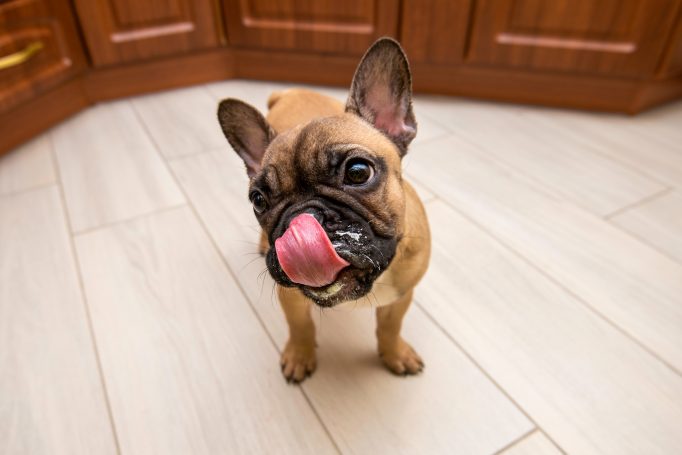
See your vet if diarrhea does not improve
If you follow these recommendations and the diarrhea does not improve within 24-48 hours, and your animal is unwell, or if it is a puppy or senior dog, it is vital to visit your trusted veterinarian to rule out more serious underlying causes. Intestinal diseases, parasites, food intolerances, etc.
Mild gastroenteritis usually does not require veterinary treatment. However, in more severe cases, it is important for your pet to be supervised by a professional to prevent dehydration or the development of possible pancreatitis.