


In Spain, seven out of ten marriages break up. This places us among the top ten European countries with the highest divorce rates. The Family Policy Institute (IPF) indicates that since 1981, when the divorce law was approved, almost three million marital breakdowns have been registered, and the separated or divorced population now represents 6% of the adult Spanish population.
The breakup of a marriage not only affects the couple, but also any children they may have. And, logically, their ARISTOPETS too. In almost half of Spanish households (49.3%), there is a pet. So it is inevitable to ask "what is done in these cases?", "who keeps the ARISTOPET?". This is, without a doubt, an extremely delicate situation that we will try to address in this article.
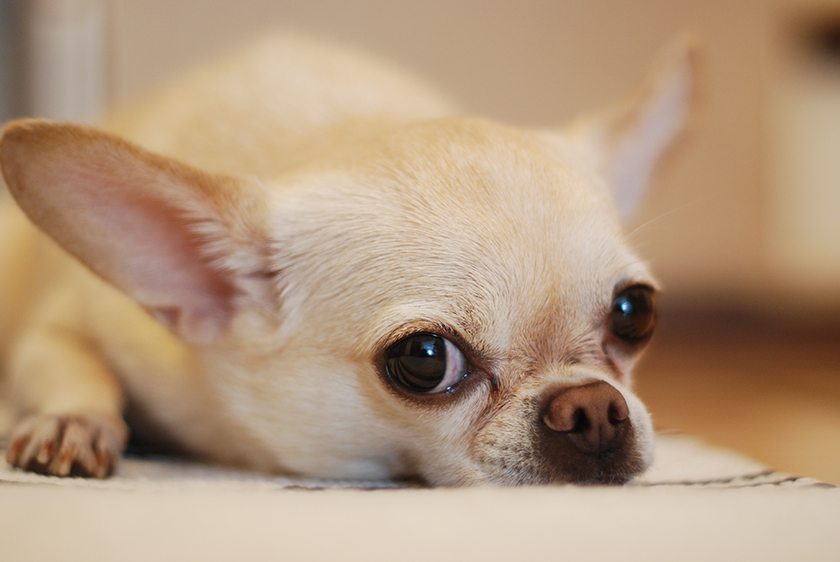
If one of the two partners brought the pet into the union, the solution is clear. The other partner has no right to decide on the animal after the divorce or separation.
But if the pet arrived at the home by mutual agreement, the ideal, logically, would also be to reach an amicable agreement to determine its custody. For the good of the pet (let's not forget that they are extremely sensitive and a traumatic breakup can cause them stress, among other problems), but also for your own good. This way, not only are the costs derived from a lawsuit avoided, but also the stress and worry that these processes entail.
When an agreement is not reached, there is no other option but to go to court and take legal action. The first thing to bear in mind is that the Civil Code, as stated in article 333, considers that pets are considered movable property. Therefore, they can be claimed as property by either member of the couple or shared by both.
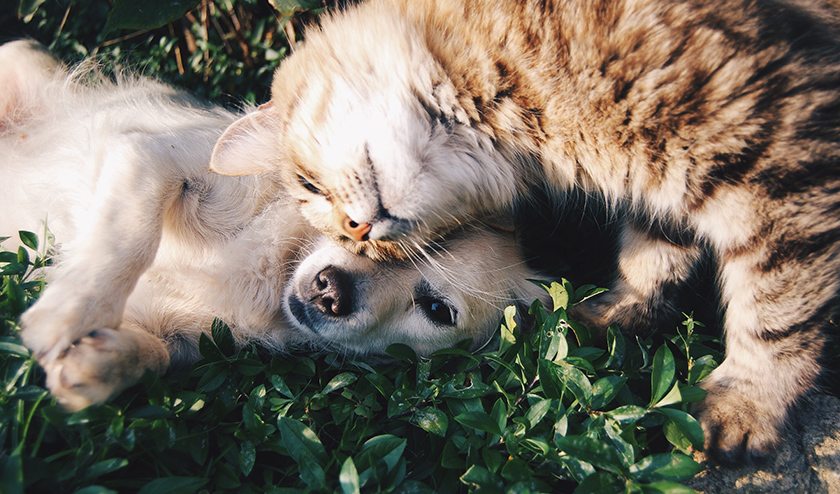
In this sense, the best option for both parties, if there is no amicable agreement, is shared custody, so the ARISTODOG or ARISTOCAT can continue living with both. This ownership will establish the visitation schedule for the animal and how it will be cared for from now on. For example, if one of the partners can dedicate more time to caring for the pet, it can live in their home, and the ex-partner will be allowed to visit the dog or cat and take it during special periods, such as holidays.
However, in the case of ARISTOCATS, if shared custody involves moving the animal from one home to another, care must be taken. This can be a very significant source of stress for them, as cats are territorial animals and very sensitive to environmental changes.
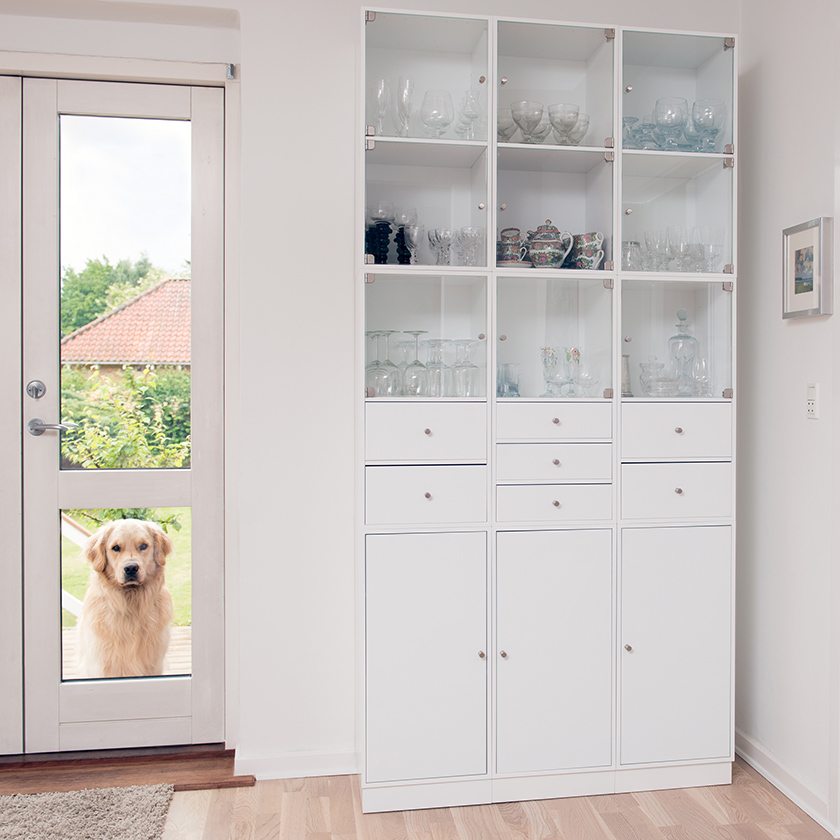
Another way to resolve the situation, which is more difficult for one of the ex-spouses to bear, is for the pet to become the sole property of one of the parties, i.e., sole custody. In this case, the benefited party could compensate their ex-partner for the loss of custody rights and enjoyment of the animal.
If there are children involved, the situation changes because the relationship between children and pets usually creates very strong bonds, and the breakup can be traumatic. Therefore, it is most likely that the children will not want to be separated from their dog or cat. Given this, it is advisable for the pet to stay with them. In fact, jurisprudence recommends not separating minors from their pets in cases of divorce or separation of parents.

Of course, we insist that the best thing to do in these cases is to dialogue, instead of having a belligerent attitude, and to think about the well-being of all family members.