


Insensitivity towards animals and the belief that humans are the masters of everything on the planet have led us to use animals in many ways. For work, for hunting, for defense, for food... and also for experimentation.
Scientific experimentation with animals has been taking place even before what we know as modern medicine was born. According to data from the Ministry of Agriculture, in 2015, mice were the animals most experimented on in Spain. 491,000 specimens passed through laboratories. They are followed by poultry (99,000), around 58,000 rats, 55,000 zebrafish, about 31,000 rabbits, and 9,000 pigs. Horses and donkeys are also not exempt (210), nor are cats (361), dogs (896) and macaques (346). These figures indeed show us that there is much to be done. Because the end does not justify the means. And in this case, experimentation causes them great suffering, alterations, traumas... and in many cases, death. But, of course, for decades we have justified this in two very questionable ways.
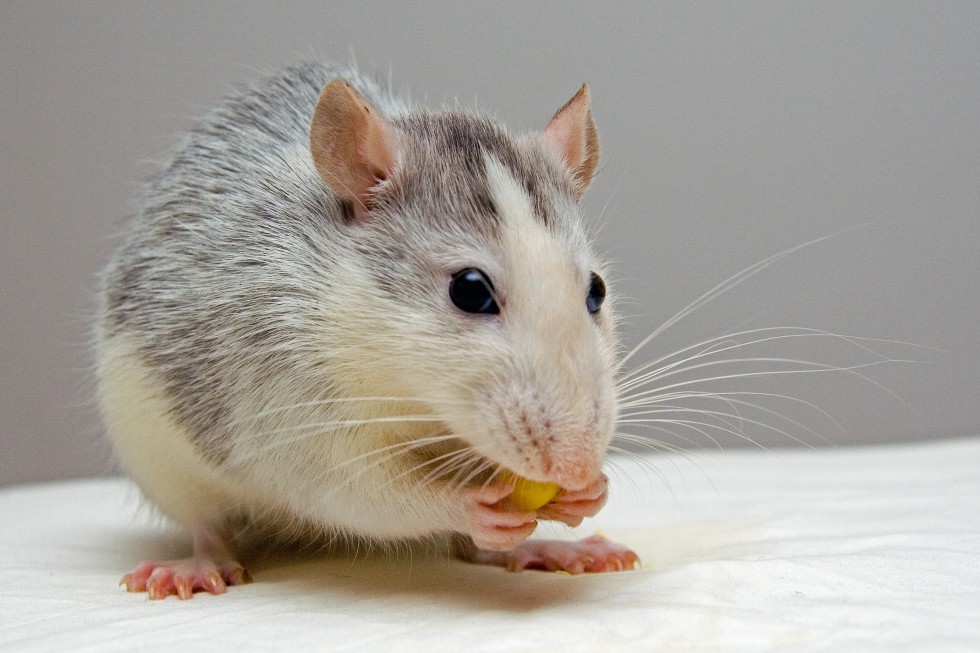
The first: experimenting with animals exempts us from having to experiment with humans, in the early stages of experimentation. So, if something goes wrong, the consequences are much smaller (invisible) than if we caused the problem to one of our fellow humans.
The second: experimenting with animals helps us evolve in medical and scientific terms. It is the fastest way to test medicines, treatments, even chemical components and dyes used in clothing. If it works with them, the process of it working with humans is accelerated.
However, the ethics of these practices began to be questioned some time ago. Both by society and by the scientific community. The search for an alternative that avoids having to experiment with living beings is becoming increasingly urgent.
So much so that the European Medicines Agency recently published a study advocating the progressive replacement of animals with alternative methods. With the aim that no animal has to suffer. The study also involves the Committee for Medicinal Products for Veterinary Use (CVMP) and the Committee for Medicinal Products for Human Use (CHMP), who have been working together since October 2010.
Until this situation changes completely, it is proposed to develop and implement a code to control animal testing used in medical products. This code is known in the scientific field as "The 3Rs":
1. Replace animal studies with others that do not use them.
2. Reduce the number of animals used in studies as much as possible.
3. Refine experimentation methods and techniques to reduce stress and harm caused to animals during experiments.
Guidelines will soon be published that also regulate the regulatory tests for developing and testing veterinary vaccines, as well as for the safety of food residues for human consumption.
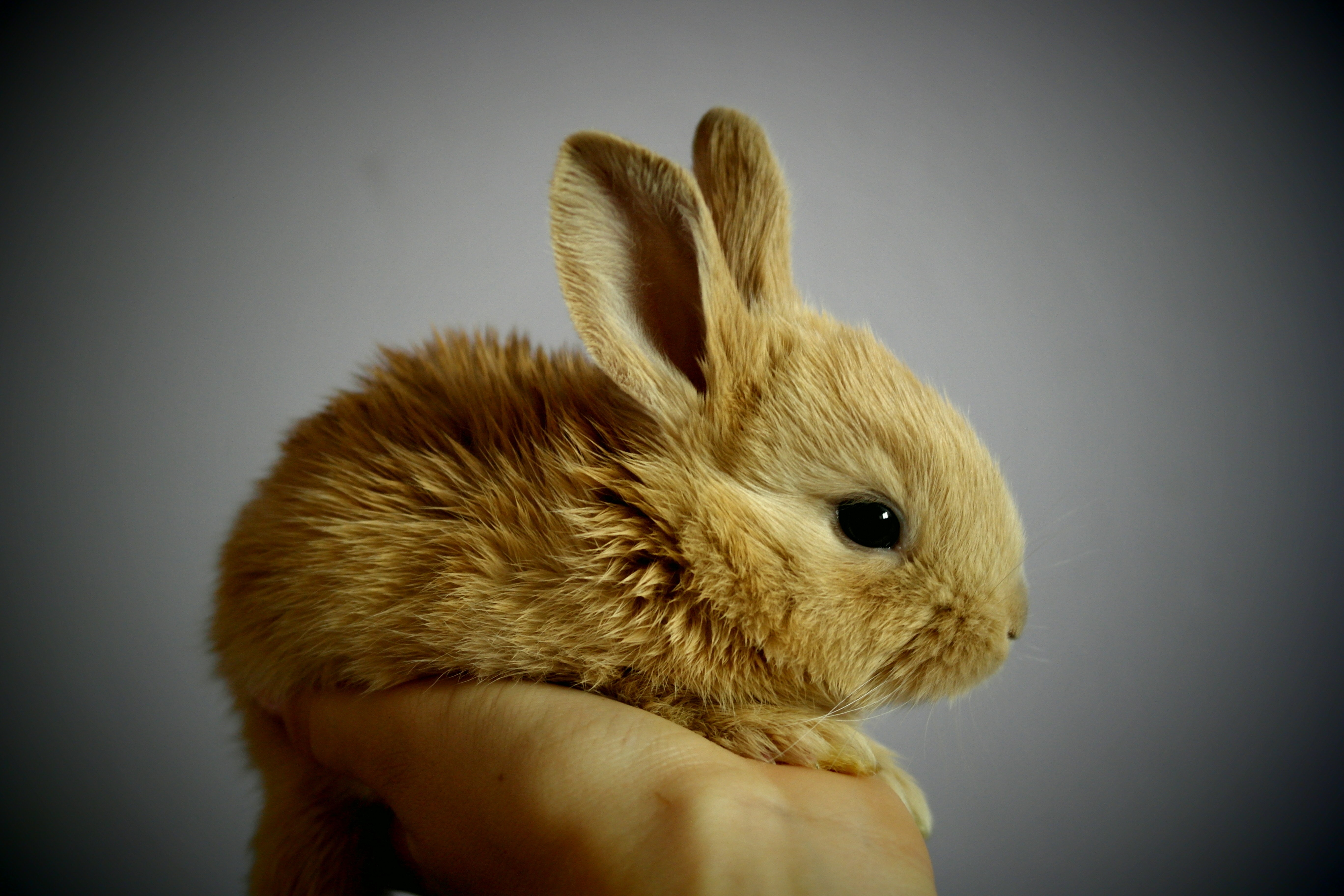
It may take many months until all this is applied, but without a doubt, we are facing hopeful news that clearly shows that something is changing. Because even those who traditionally remained unperturbed by animal suffering to defend their interests are beginning to realize that inflicting pain on other living and sentient beings speaks very poorly of us as a species that prides itself on being superior.