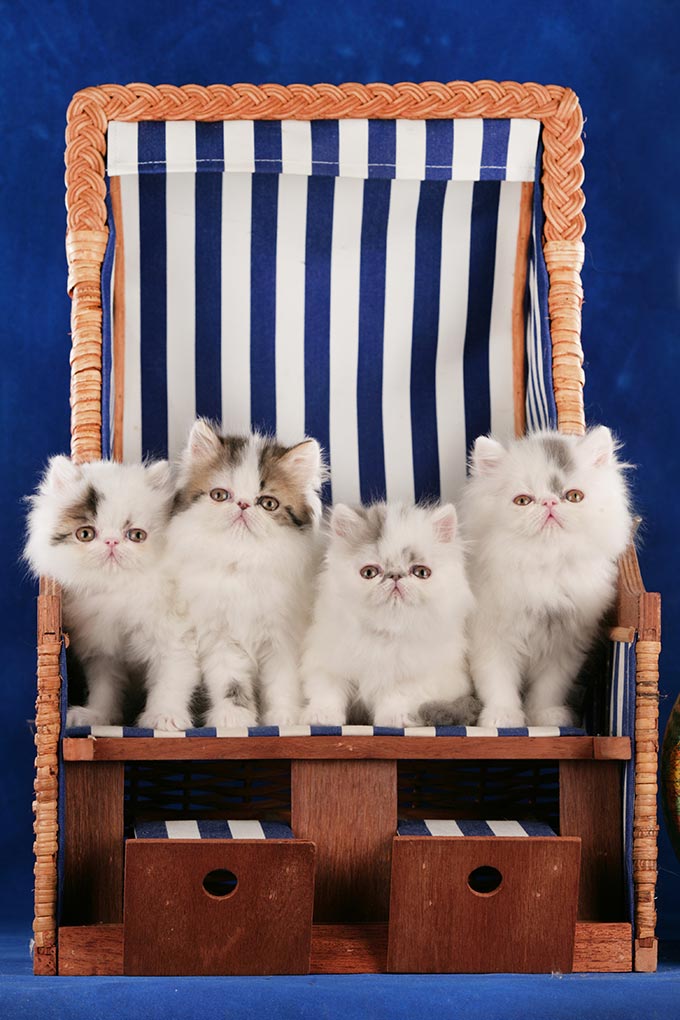
As popular and beloved as they are today, until the mid-16th century, long-haired cats were unknown in Europe. The first ones arrived from Persia to Italy in the 17th century, brought by Pietro della Valle. Later, Nicolas Fabri de Peiresec, a magistrate of the royal courts in the French city of Aix-en-Provence, brought cats from Turkey to France. These cats were the ancestors of today's Persian cats and were highly prized by the European aristocracy.
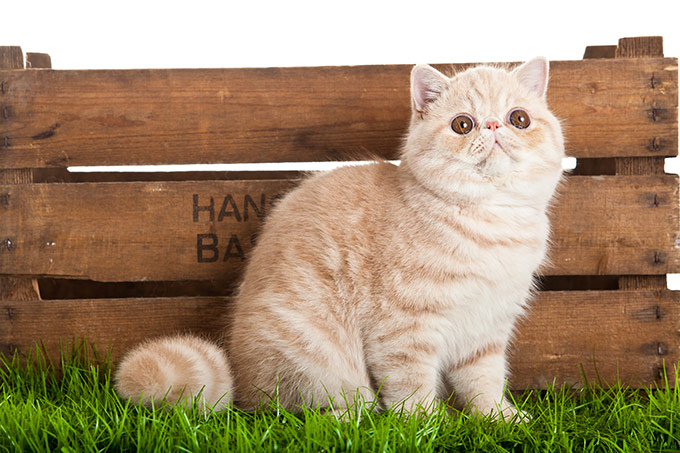
Today, Persian cats are famous worldwide. Furthermore, their breed is closely related to the creation of the Birman and British Shorthair breeds. But why are Persian cats so special?
What are Persian cats like?
Identifying certain breeds can sometimes be complicated. But in the case of Persian cats, there is usually no doubt because they have very distinctive features.
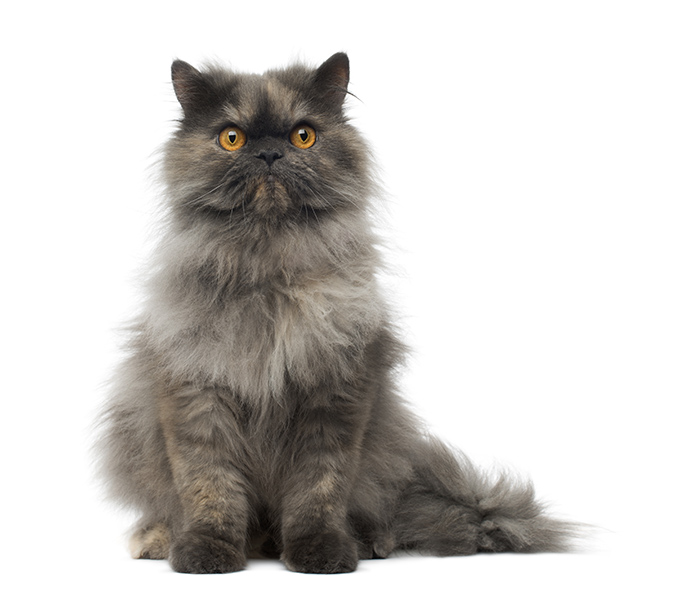
The most well-known feature of these ARISTOCATS is their fur, as it is very long and fine, dense, and silky. To give you an idea, the normal length of a Persian's fur ranges from 10 centimeters on the body to 20 centimeters on the ruff. So, we're not talking about just hair, but a magnificent coat.
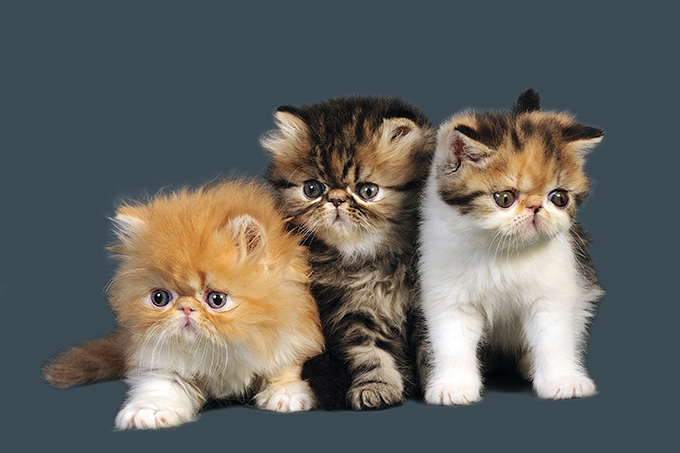
However, this means that coat maintenance is remarkably laborious. Washing, combing, and brushing will be activities that we must include in our daily routine. In fact, the length of their fur favors the formation of knots, so it is necessary to detangle their fur every day (we recommend that you check ARISTOSHOP to find the comb or brush that best suits your cat's needs). Additionally, it should be noted that during spring and summer, shedding occurs... so there will be ARISTOCAT hair everywhere — and we'll have to rely on the vacuum cleaner or mop, of course.
Their body is short and compact, with firm and well-developed musculature. Their legs are short, strong, and straight. It's curious to observe the long tufts of hair between their toes. As for their head, their cheeks stand out, round and plump, as if they constantly had food in their mouth. They have a short and very flat nose.
Another fantastic thing about these felines is their eyes. Large, round, wide open, set apart. Intense and deep in color, matching their coat. That is, copper color for most coat colors; green in chinchilla, silver shaded, and golden specimens; blue in colorpoint (Himalayan) or some white cats, and odd-eyed (one eye of each color) also in some white cats.
Their ears are usually very small, with rounded tips, widely spaced at the skull's insertion. They are also very hairy inside. Finally, their tail is short, proportionate, well covered with very long hair, and they usually carry it quite low.
Persian cat behavior
Persian cats are placid, calm, and sedentary. They show a clear preference for their ARISTO-PARENT, with whom they are sweet, affectionate, and sociable. They like dogs and children. Although with strangers, they appear indifferent, distant.
They tolerate solitude quite well, as long as they are in a controlled and familiar space. Therefore, their ideal space is an apartment. They usually don't meow. Although when they do, they are very discreet.
For all these reasons, these furry friends need a calm life. Constant travel or displacements can cause them stress and significantly alter them. They also don't handle noise or changes very well. So the best thing for them is to enrich their environment and let them enjoy their contemplative life, while you brush their fur or pet them all afternoon, as they purr.
As you can see, being happy is very easy when you have a Persian ARISTOCAT by your side. So, enjoy it!