


Today we want to talk about our feline companions. Specifically about them when they get older. Because while in the wild a cat's life expectancy ranges between four and five years (though of course there are exceptions), when living with a family and well cared for, our ARISTOCAT can get very old. And become elderly, that is.
As at any other stage of life, a senior cat has specific needs that we must address. We must take meticulous care of them, feed them properly, give them more affection than ever, and let them rest. Logically, it's not about breaking longevity records, but about making them feel good so they live this stage in the best conditions. After a lifetime together, it's the least we can do for them.
So, we share with you some tips to make it easier when the time comes.
1. Give him appropriate medical care. Older cats require more veterinary check-ups. In addition to annual examinations and vaccinations, it is advisable to discuss geriatric screening tests with the veterinarian: blood values (to evaluate kidney and thyroid functions), urine analysis, and cardiac examination, as well as weight control and overall physical condition.
2. Keep him active. Obesity and osteoarthritis are two of the most common problems in older cats. That's why it's important for them to exercise regularly. Play with your cat. Get him moving.
3. Maintain his daily routine. This is essential for his physical, mental, and emotional health, and to combat cognitive decline—a tremendously sad phenomenon.
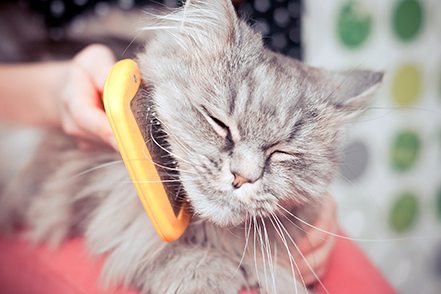
4. Take care of his coat. Within the context of this routine, you can provide him with a special grooming session each week. Your cat may become less agile over time, and these grooming sessions will stimulate him and help massage his stiff joints.
5. Check his teeth and gums. Poor oral health can affect his appetite and eating habits. Therefore, it is important for the veterinarian to provide regular dental care for your cat, as older cats are more vulnerable to gum disease and tartar buildup.
6. Appropriate diet. The nutritional needs of senior cats change. Generally, from seven years of age, cats are less active and have a slower metabolism, so they need fewer calories. However, at this age, it is more important than ever to provide the animal with high-quality, easily digestible proteins to maintain good overall health.
Food for senior cats is formulated according to the changes in their nutritional needs and habits. This ensures the cat will continue to fully enjoy its meals. In ARISTOSHOP, you will find the best dry and wet food for this stage of their life. Additionally, remember that senior cats need to drink more, so provide plenty of fresh water within their reach and change it frequently.
7. Consider his physiological needs. As they age, cats tend to relieve themselves outside the litter box. Therefore, it is advisable to change the litter in their box more frequently and use a larger, but shallower box to facilitate access.
8. Take care of the house's comfort. When it's cold, we must keep them warm, either with a supplementary heating system, a radiator bed, or with the old trick of a hot water bottle under their bed. For the same reason, when it's hot, we must also protect them, as with people, older cats are more susceptible to extreme temperatures. It is also advisable to keep the cat's environment enriched so that it lives as it always has. Here we give you the keys.
We hope these tips make it easier for you to face this stage. It's not better or worse, just different. And whatever happens, your love and respect for your ARISTOCAT must come first. Until the very last day.