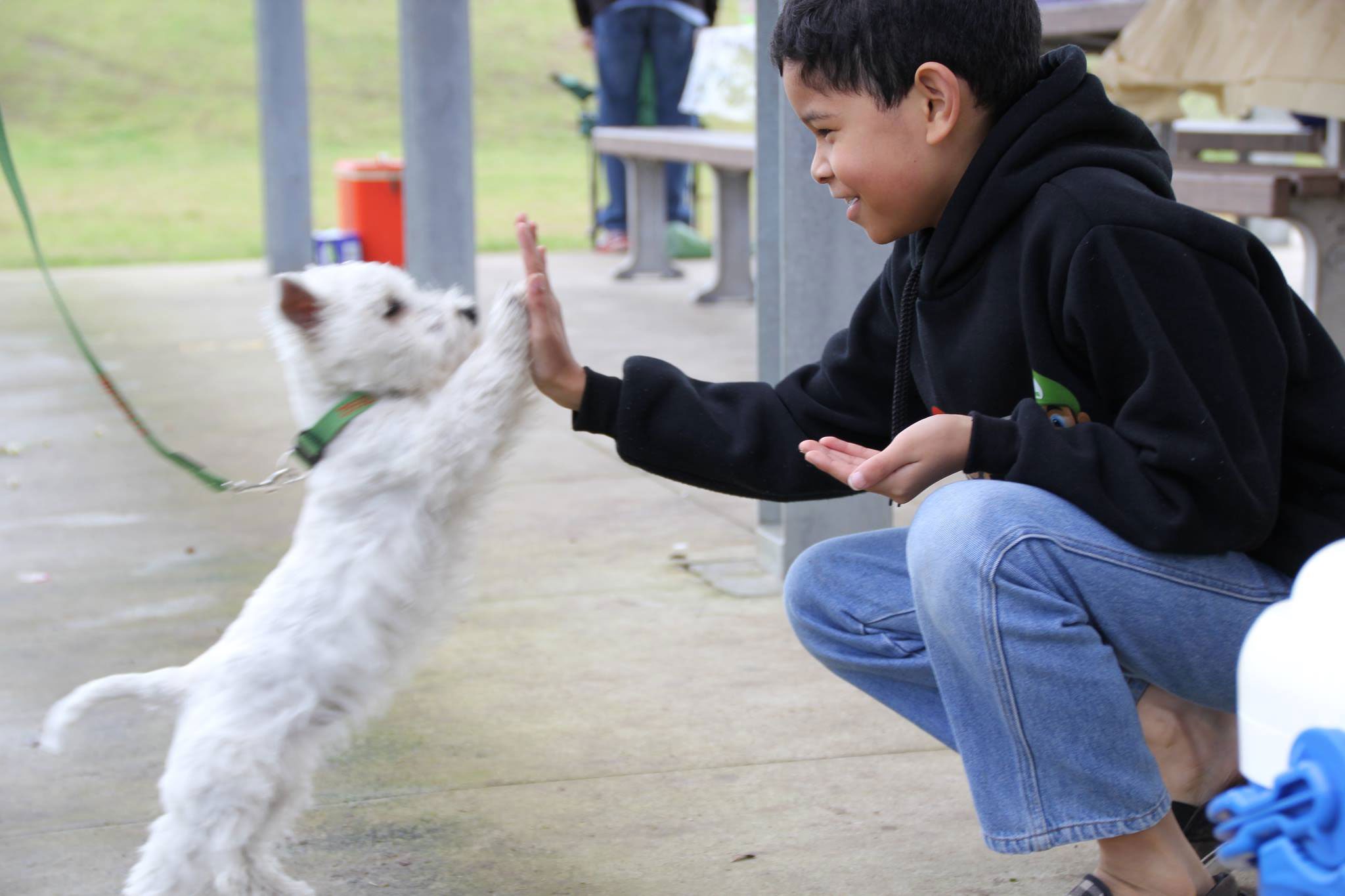
For years it was thought that food was the best way to reward dogs. When they behave well, when they perform a trick, when they learn something new... the most common recourse has been the well-known "cookie". Or failing that, any other food that the dog might like. And this is actually how it is done with most species that establish a close bond with humans.
We only have to go back to the famous classical conditioning experiments carried out at the beginning of the 20th century by the Russian physiologist and Nobel Prize winner Ivan Pavlov. Pavlov showed that if dogs are trained to associate a particular stimulus with food, they will salivate at the mere presence of the stimulus, awaiting the food. These experiments suggested that dogs only want food and that their owners are simply the means to get it. (Note that in this case we have said "owner" and not "aristoparent".)
These theories are now being set aside and replaced by more current ones. Part of the neuroscience community argues that dogs value human contact in itself.
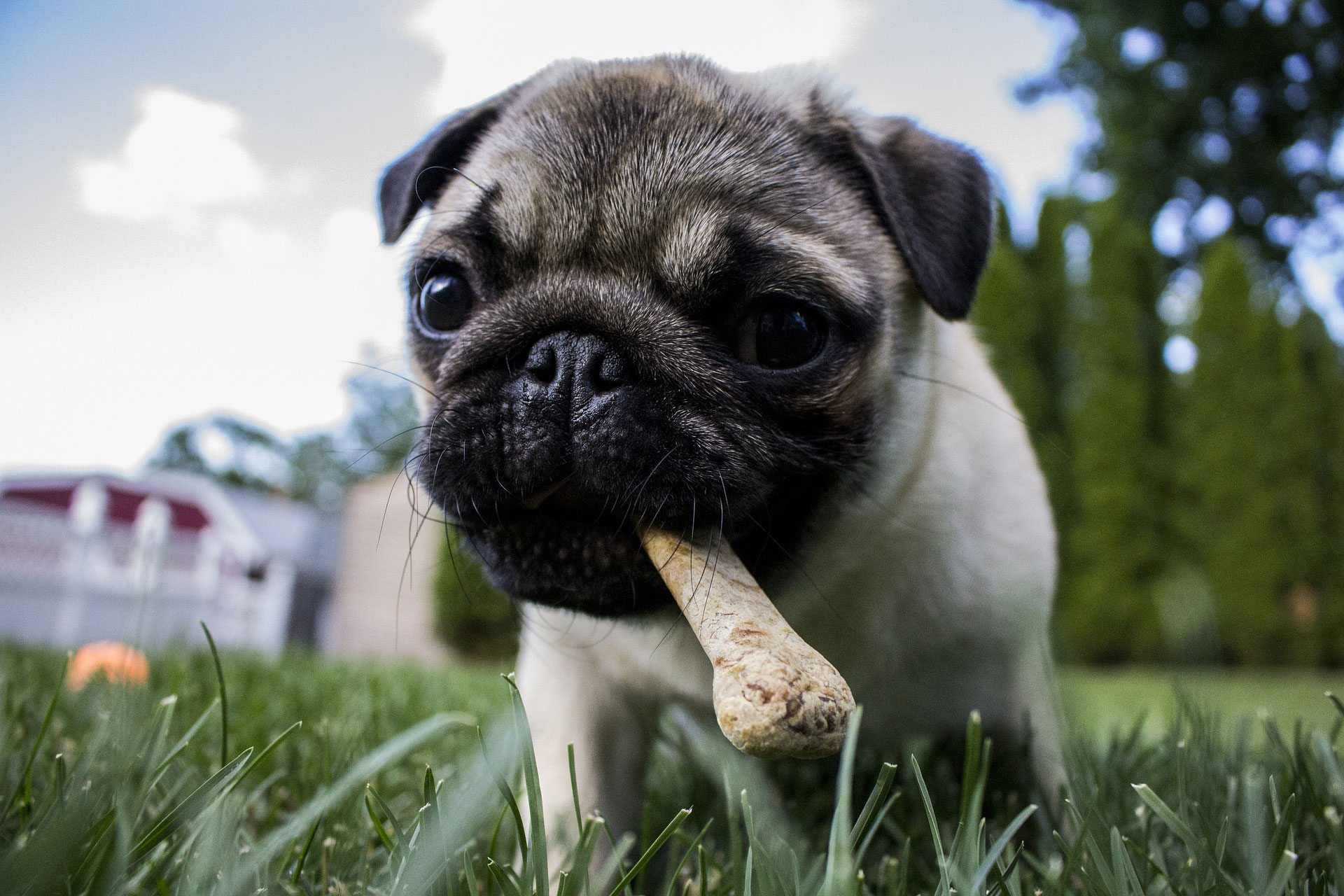
This is demonstrated by a new study published in the journal Social, Cognitive and Affective Neuroscience, sponsored by Emory University and signed by Gregory Berns. The research is one of the first to combine brain imaging data with behavioral experiments to explore dogs' reward preferences.
Thirteen dogs participated in it. Most of them (nine) prioritized affection and displays of love from their aristoparents over food. While a minority showed the same preference for both types of reward, or only for food.
For the experiment, researchers trained dogs by associating three distinct objects with different outcomes. A pink toy truck marked a food reward; a blue toy knight signaled verbal praise from the owner; and a hairbrush signaled no reward, serving as a control. Tests were conducted with all three objects in an fMRI machine. And each dog underwent 32 trials for each of the three objects while their neuron activity was recorded.
They were then subjected to a behavioral experiment. Each dog was familiar with a room containing a Y-shaped maze: one path led to a food bowl and the other to the dog's owner. The owners sat with their backs to their dogs. The dog was then released to choose a path. If they went to the owner, the owner praised them.
Most dogs alternated between food and the owner, but dogs with the strongest neural response to praise chose to go to their owners 80 to 90 percent of the time.
The studies are part of the Dog Project, which investigates evolutionary questions surrounding man's best and oldest friend, in order to understand the basis of the bond between dogs and humans.
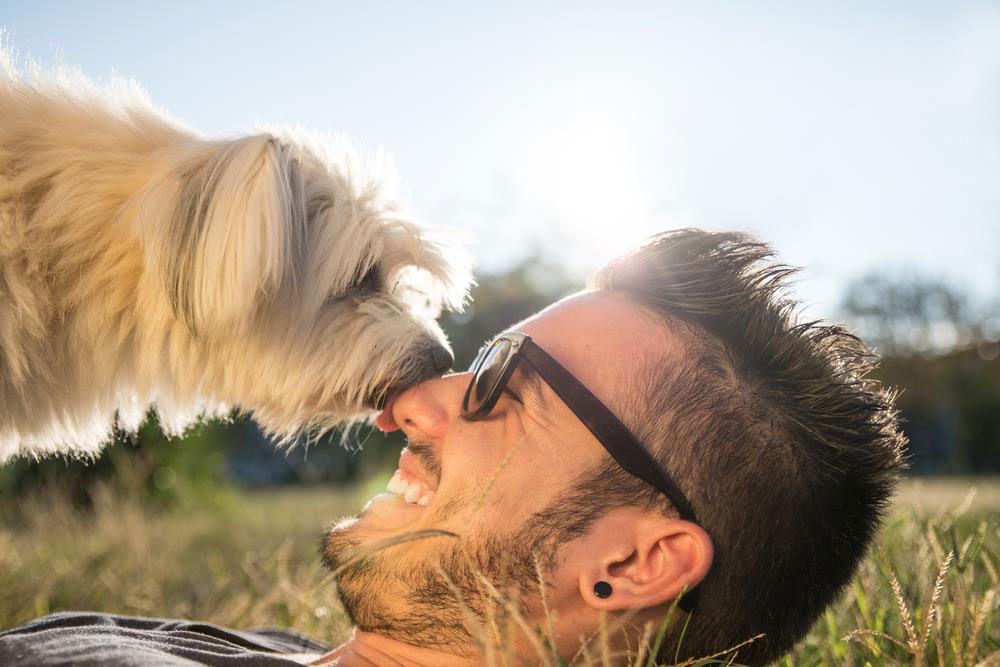
And dogs are exceptional. That's why it's not surprising that, being so affectionate and loyal, they prioritize the affection of their aristoparents over food. Which means that rewarding with food is good and dogs undoubtedly appreciate it. But it's much better to do it with affection. That's what really makes a dog happy. And it's comparable to how we feel when we are praised. So now you know, dear aristopeters: from now on, more words and kisses, and fewer cookies