


Dogs, like humans, can suffer from certain diseases in old age, such as bone problems, hip problems, hearing problems, or vision problems. Even neurological problems.
Cognitive dysfunction, a disease more commonly known as canine dementia, is similar to Alzheimer's in humans. Generally, this disease affects dogs over ten years old and causes physical changes and brain alterations similar to Alzheimer's in humans.

The number of cases of canine dementia has been increasing in recent years, as detailed by experts from the University of California Davis in a study conducted by the university.
Studies conducted by experts from the University of California Davis confirm that more than 60% of dogs between 15 and 16 years old may show symptoms of dementia. One of the factors for the increasing number of canine dementia cases is that domestic animals are living longer due to advances in veterinary medicine.
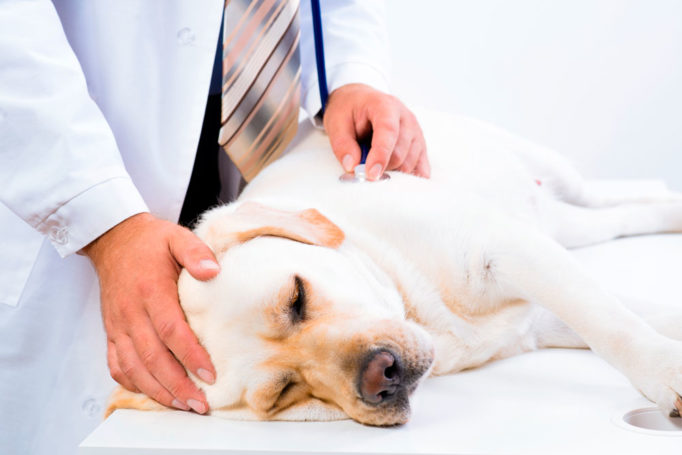
"Some of the signs we see in dogs with dementia are dogs that have diminished house training, changes in their sleep cycle, they are asleep during the day and awake at night," said Melissa Bain, professor of animal clinical behavior at the University of California, Davis, in an interview with ABC13. She adds that they often perceive that "dogs don't recognize their owners."
Dr. Bain points out that current treatments are limited, but one of the measures to help dogs can be diet. "There are two different diets that are authorized to slow canine cognitive dysfunction. They have antioxidants," she states in the ABC13 interview.
Therefore, owners are advised to monitor and be alert to their dog's behavior. If they see that their dog becomes disoriented at home or in familiar places, or does not recognize a family member or an object... or any of the aforementioned behaviors, they should go to their veterinarian.

Possible symptoms
Some possible symptoms are:
- Sluggishness and lack of response to stimuli
- Disorientation and difficulty following a route during walks.
- Loss of appetite
- Lack of desire to play
- Forgetting house rules
- Sleep cycle disturbances
- Behavioral changes
ARISTOPET recommends that if you notice possible symptoms or different behaviors in your dog, always consult your veterinarian. A visit to the veterinarian can help you verify and diagnose diseases early.