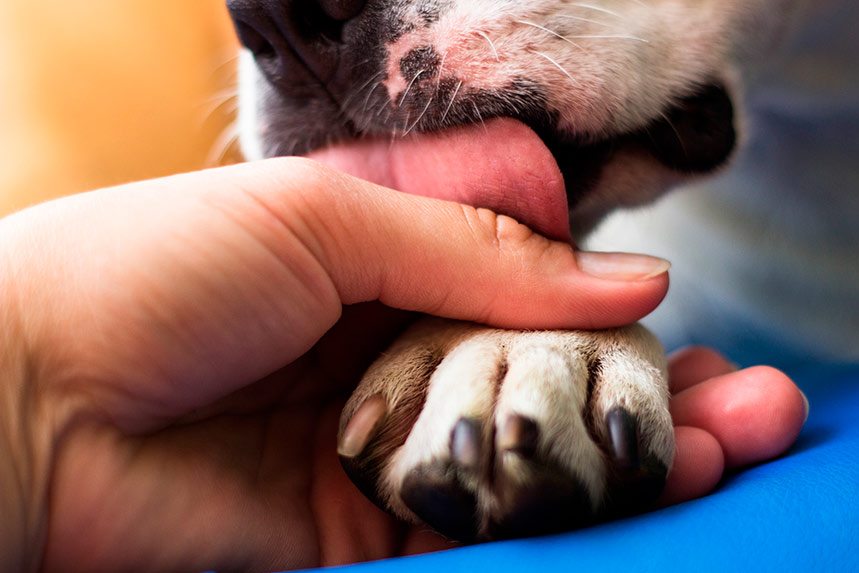
The Millennial Generation refers to those born between 1981 and 1995, young people between 20 and 35 years old who came of age with the turn of the millennium, in the midst of economic prosperity — that is, before the crisis. Numerous studies show that this generation prefers to experience rather than own and tends to delay traditional life milestones: such as marriage, buying a house, or parenthood. That's why ARISTOPETS play a fundamental role in the lives of millennials. And this is reflected in several aspects:
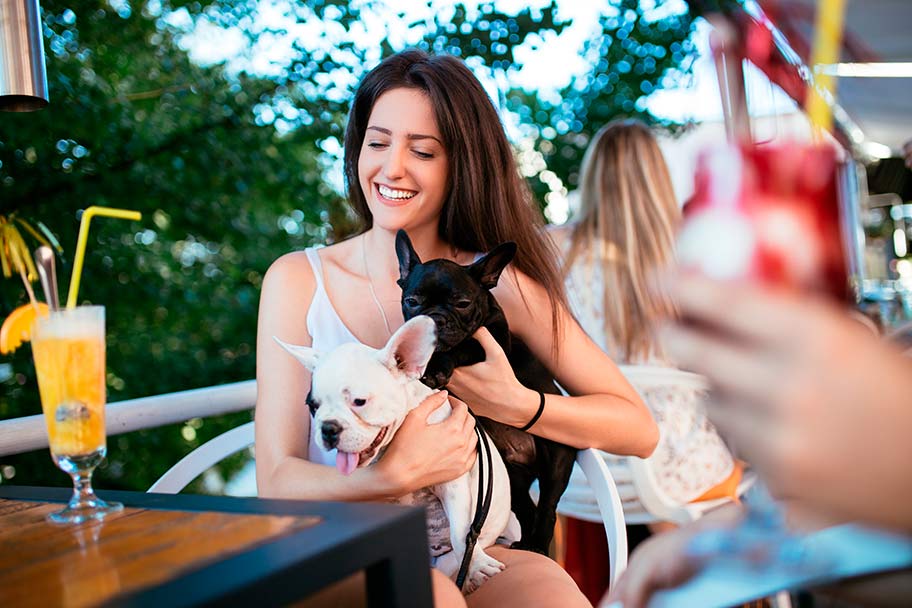
They reinvent the family
According to a report by GFK, Germany's largest market research company, millennials adopt 35% more pets than their predecessors, the Baby Boomers (those born between 1946 and 1964). What's more, in the United States, 57% of millennial households own a dog or cat, compared to 51% of all households. In addition, according to Forbes, millennials treat pets as if they were their children (which, of course, does not mean that members of other generations do not do the same) and consider pet ownership as a "preparation for having children." Also, according to a Wakefield study, millennials get their first pet at 21, compared to baby boomers, who waited until 29.
They drive change
This way of understanding the person-pet relationship means that many companies are adapting to better meet the demands of millennials. So much so that 8% of workplaces in the United States allow employees to bring their pets to the office. Some of these include Amazon, Ben & Jerry's, Google, Clif Bar, Build-A-Bear, Petco, Etsy, and BrewDog — which grants "paternity or maternity leave" to employees who adopt a dog. These companies also offer services for pets, such as health insurance. Employers are starting to realize that having a millennial means accepting them in their entirety. In Spain, we are still far from these levels, but little by little, there are more pet-friendly offices.
Leisure and dining options are also adapting to the needs of this generation, which demands sharing quality moments with their best friends. Whether they are shopping, going to a restaurant, or traveling.
They spend more
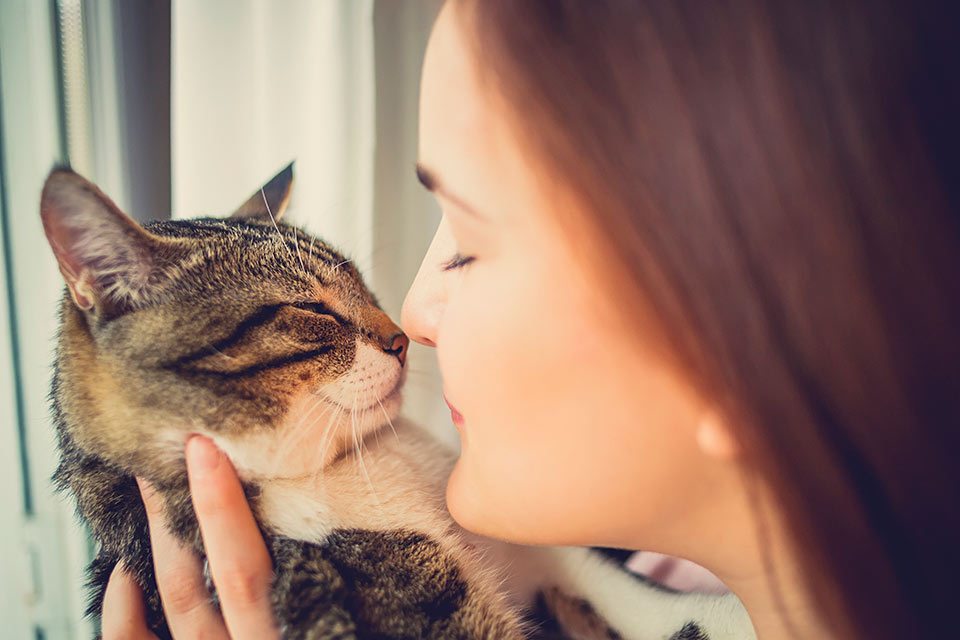
Millennials are more sensitive and empathize more with the lives of their pets. They care a lot about their well-being and spend more money on them. Not only on necessities, but also on treats for their best friends. This means they buy more accessories and toys, as they would for their children, to make their lives more pleasant.
They feed them better
Millennials' enthusiasm for authenticity and food transparency influences their pets' diets. They research, compare, analyze nutritional information, and try different types of diets for their pets. They are more open to trying new options. Just as they care about their own health, they care about their pets' health.
They "humanize" their pets
The creators of Dogs of Instagram, Ashley Paguyo and Ahmed El Shourbagy, state that many millennials consider their pets to bring them success and status. Sharing photos and stories and receiving positive feedback is a way to gain validation from "their peers." In this sense, some voices claim that millennials tend to humanize their pets, without respecting their nature. Because pets play a fundamental role in the construction of their social identity, and this enthusiasm, sometimes, is not always in the best interest of the pets. Therefore, although there is no malicious intent, putting their pets in strange positions to get the best or funniest photo is not always well-regarded, especially by members of other generations.
They build global communities
According to Kady Lone and Eli Omidi, co-creators of Cats of Instagram, social media is a great way to raise awareness and publicize all the advantages and benefits of pet ownership. In this sense, the increased presence of pets on the internet is a natural evolution, as millennials have grown up connected, sharing their lives with the world. And precisely communities of pet lovers, like ARISTOGANG, enhance this shared passion, allowing the sharing of information, tips, experiences...
They create awareness
Advances in pet ownership culture increase concern for the dignity and quality of their lives. The increase in visibility is having a great impact on how the world relates to pets... And we are taking more and more steps.