


Dogs and cats are considered the best pets par excellence. Both are affectionate, able to cheer anyone's day, and most importantly, they sense when you're feeling down or sick and stay by your side at all times. That's why they are the best companion animals.
Dogs are very intelligent animals; once trained, they help humans do many things, such as guide dogs, police dogs, or military dogs. In many cases, dog-assisted therapy helps overcome problems and illnesses, such as therapy with hyperactive children, in juvenile detention centers, or with people struggling with alcohol abuse.
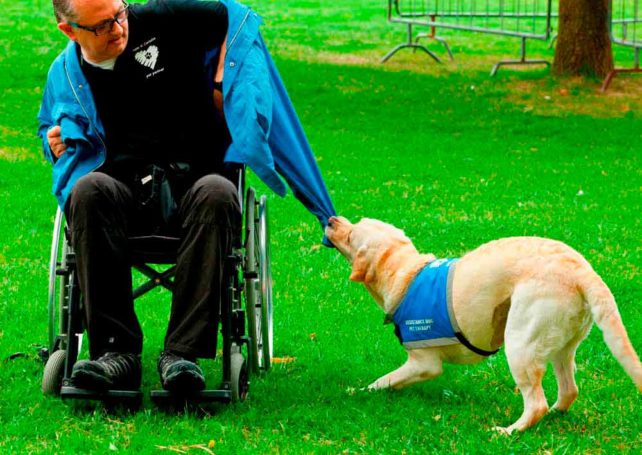
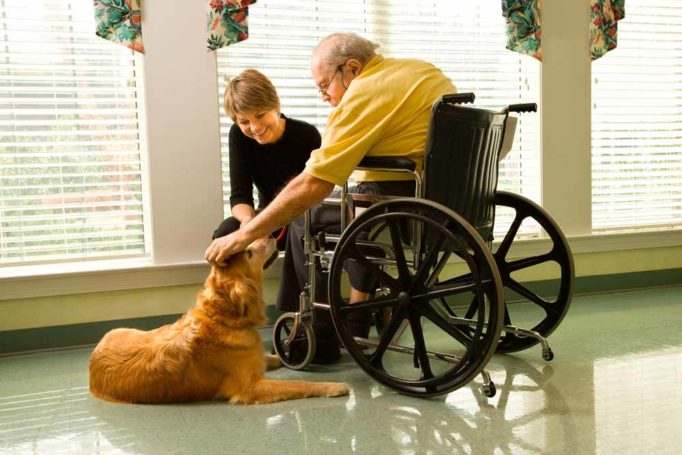
Hospital 12 de Octubre conducted a research project in collaboration with the Souling Association, which analyzes the benefits of animal-assisted therapy in the rehabilitation of alcoholic patients. The results indicate that the treatment "can be effective and contribute to abandoning the addiction."
What does the therapy involve?
Ras and Fox are the two dogs participating in the research. They visit the hospital once a week, integrating into group dynamics with patients, psychologists, psychiatrists, and trainers. The dogs perform different exercises in each session, aiming to achieve a goal, such as hiding a toy and retrieving it. They are given exercises that reflect real-life situations that patients would face to achieve abstinence, enabling them to avoid alcohol consumption.
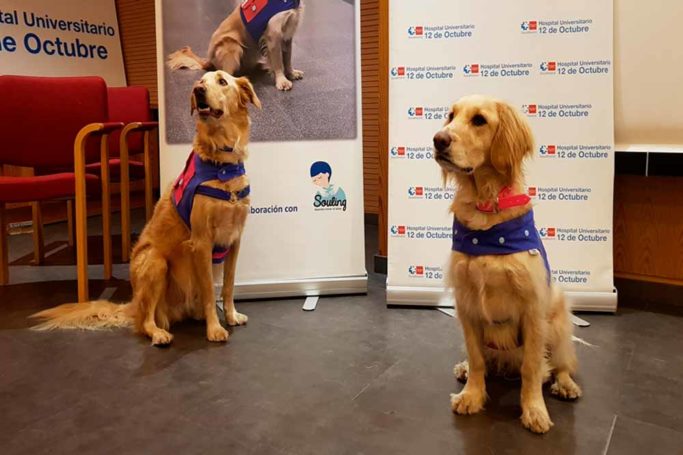
Gabriel Rubio, the head of the hospital's psychology department, stated in remarks quoted in El País, that the project's goal with dogs is to "improve patients' motivation and establish bonds so that they identify with the animals and improve their understanding of their illness."
One of the activities for the dogs is to walk them along a path full of treats to keep them from getting distracted. The goal of these activities is similar to that of the patients. For this, patients must be able to apply the techniques learned in group therapy to their real lives and create new habits, behaviors, and social relationships.
The Hospital 12 de Octubre Research Institute confirmed in a press release that "the first phase has already concluded, and participants have already shared their impressions, highlighting that interacting with dogs has allowed them to confirm that it is possible to act while avoiding alcohol." They even detail that many patients have been subjected to "very complicated situations, where they have been able to calm down and make appropriate decisions." The results are proving effective, so Hospital 12 de Octubre will continue with the project to help patients.

It is admirable that dogs, animals without the gift of speech, are capable of helping people improve many situations with their companionship and affection.
Tell us what you thought of this news on social media and if you know of any practices where dogs improve people's quality of life.