Some time ago we told you about the problems that ARISTOPARENTS face when looking for a new rental home... where their ARISTOPETS are welcome. Generally, most landlords prefer their homes to be occupied only by people and, in many cases, they even oppose the presence of pets in their homes. Logically, they are within their rights, but it is still surprising that, in 2017, this is still happening. More than anything because, as we always say, if a rental property is not left in good condition when a tenant leaves, it is in no way the responsibility or fault of the pet. Rather, it is the owner's, who is their guardian or responsible party.
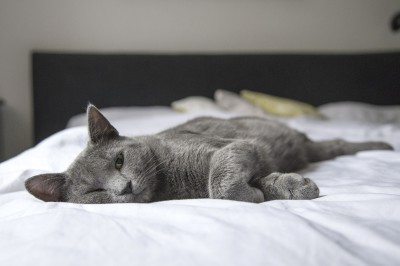
But moving is not just a headache when it comes to finding a home that accepts your pet. It's also because the change of "territory" or space also affects ARISTOCATS and ARISTODOGS. It impacts their mood and behavior.
This is because our ARISTOPETS are territorial. Especially cats, who seem to be harder to please. Cats mark and delimit their territory. This means they rub their bodies against objects or scratch them to show who owns the place (they have glands in their paw pads that secrete a substance with a characteristic smell, which they use to impregnate everything that belongs to them). But, in general, as we said, most companion animals perceive their home as their world. So a change of home can have consequences.

That's why today we're sharing some tips with you to make the adaptation of your dog or cat as easy and pleasant as possible for everyone:
1. Little by little
Take it easy, step by step. Ideally, your pet should get to know the space before settling in. If possible (especially if it's a dog, as it will be easier), take them with you to visit your new home. The first time you go to see it, make sure your dog has played enough and is tired enough to be settled and calm.
2. Their belongings
You're not the only one moving. Your cat or dog also has their things, of course, and you should gradually bring them home. Because if you bring everything at once, they might not have anything to play with in the house where you currently live. And that's not very good either. That's why we recommend that on each visit you make to the new house with your pet, you bring a toy or one of their belongings so that they can see that it's also a nice and fun place.
3. Their bed
You might think that your cat or dog deserves a new bed, with this change of house. But nothing could be further from the truth. At least at first. It's best if they identify their bed, perceive their own smell, and recognize that this is "their spot." This will undoubtedly help them a lot with the adaptation.
4. Don't spoil them
You might also think that a way to reward them is to let them do whatever they want in this new house, but that's not the case. To avoid unsettling them, their routine and lifestyle should remain the same as always. So, stay firm.
5. Be patient
This is probably the most important tip. A move is hard for everyone. And all family members need time to adapt and feel complete. It may not be easy at first, or you may feel that there has been a "setback" in your best friend's training, but be patient: as soon as they realize that they are also kings in that house and that they are loved just as much as ever, everything will return to normal.