


WHAT ABOUT YOU, DO YOU PICK IT UP?
A medium-sized dog defecates about 600 grams of excrement daily. Doing the math, that's approximately 216 kilograms a year.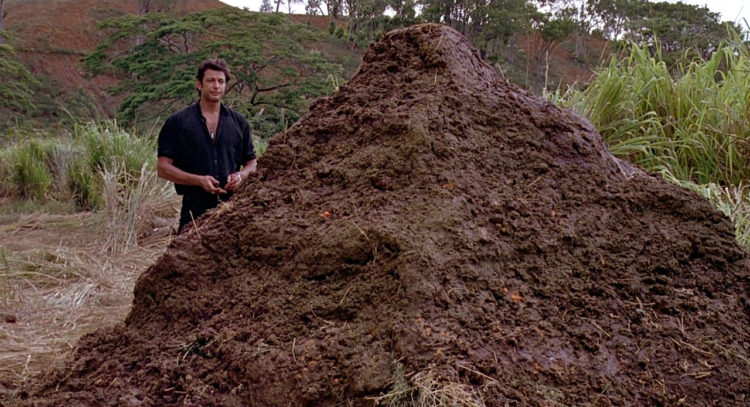
Viewed this way, it's clear that if owners don't bother to pick up these wastes, sidewalks, parks, and various places in cities, besides causing discomfort, can even be harmful to our health.
The cycle is simple: first, decomposition begins. The sun and humidity take effect, until the excrement solidifies. Then, it will turn into a fine dust that can travel anywhere. These particles disperse thanks to wind and rain, contaminating water, air, food, and everything in their path, as these deposits harbor parasites and bacteria that inhabit dogs' intestines.
To combat this danger to our health and that of those around us, it's enough to take some basic precautions, starting by always picking up our pets' feces. They should be disposed of in normal trash. Additionally, it is advisable to keep animals properly dewormed and wash our hands after picking up these wastes.
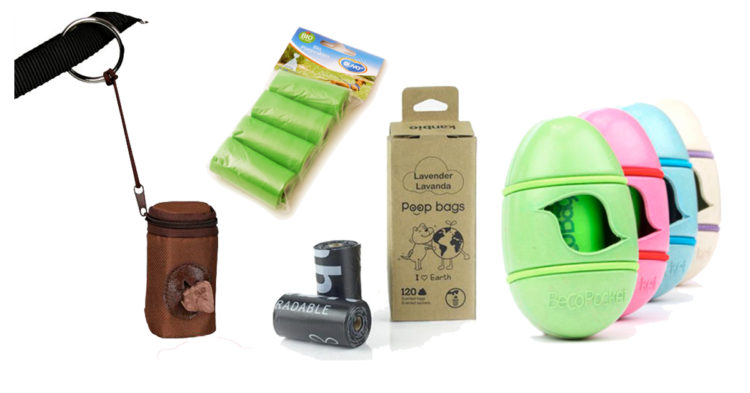
If you are also concerned about environmental care, at ARISTOPET we have biodegradable bags. They are scented with a lavender aroma, and these bags will decompose into very small pieces in 1 or 2 years, which are consumed and digested by bacteria, thus beginning biodegradation. And to carry these bags, we have bag dispensers; the Beco Pocket, in particular, works very well. You can attach it to a baby stroller or carry it in your car's trunk. Made from plant fiber plastic, Beco Pocket is not only sustainable but also biodegradable when you no longer need it.
(Bags: https://aristopet.com/aristoshop/aristoperros/bolsitas-biodegradables-perfumadas-para-excrementos/
Dispenser: https://aristopet.com/aristoshop/aristoperros/becopocket/ )
WHAT IF YOU DON'T PICK IT UP?
Like any activity that causes discomfort and is harmful to health and the environment, there are fines. For example, Law 4/2016 on the Protection of Companion Animals of the Community of Madrid establishes amounts ranging from 300 to 3,000 euros.
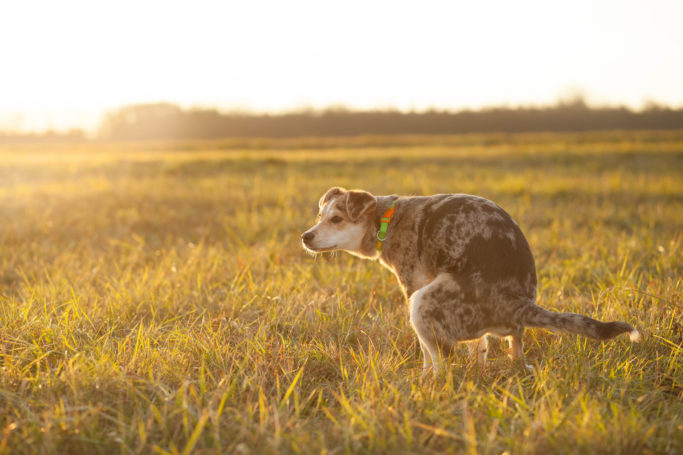
It also depends on the municipality and region where we live, as in the case of Talavera de la Reina, non-compliance with the municipal ordinance results in sanctions ranging from 60.10 euros for minor infractions to 15,025.30 euros for very serious ones.
WHAT IF YOU THINK NO ONE WILL FIND OUT?
In some parts of Spain, there are pet ordinances that include a mandatory municipal animal census and DNA sample.
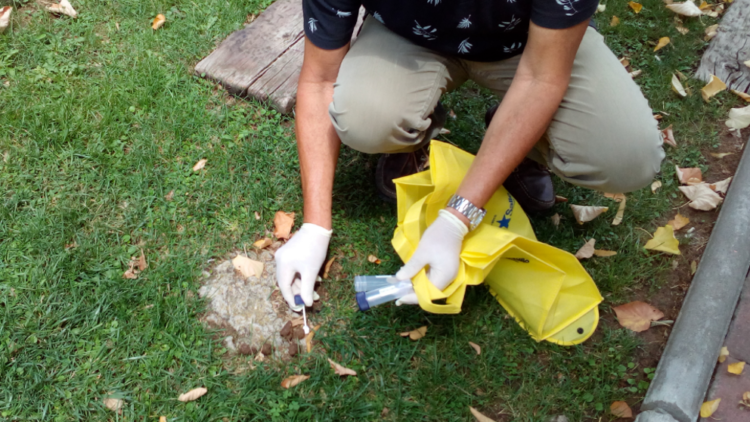
Therefore, with a fecal DNA analysis, the offender can be found. A City Council official collects samples of excrement from public roads and draws up a report of the incident, with location and photographs. The samples are sent to the laboratory, which is responsible for analyzing the samples and identifying the animal's owner.
So whether it's a matter of education, hygiene, responsibility, or even economics, we recommend keeping the streets and parks clean.