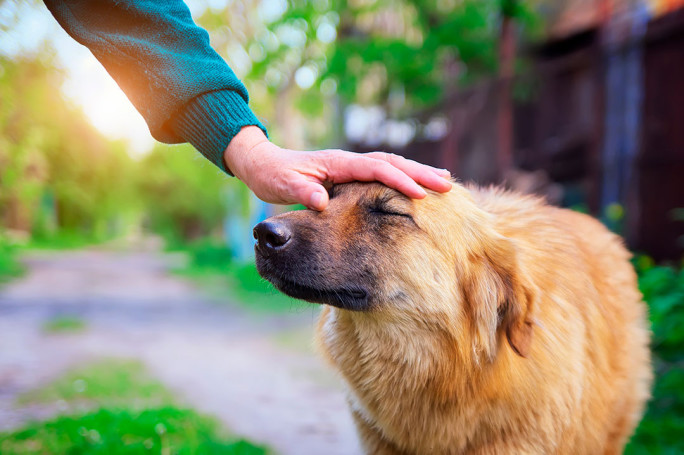
The situation for pets in Spain is improving with the years, but it is far from exemplary. On more than one occasion, we have referred, not without sadness, to the numbers of shame, that is, the abandonment of ARISTODOGS and ARISTOCATS that occurs in Spain. These extremely high figures place us at the bottom in terms of animal respect and awareness, and they have only increased in recent years. But today, finally, it seems that for a moment we can look to the future with hope and share some good news. Because the numbers have improved a little.
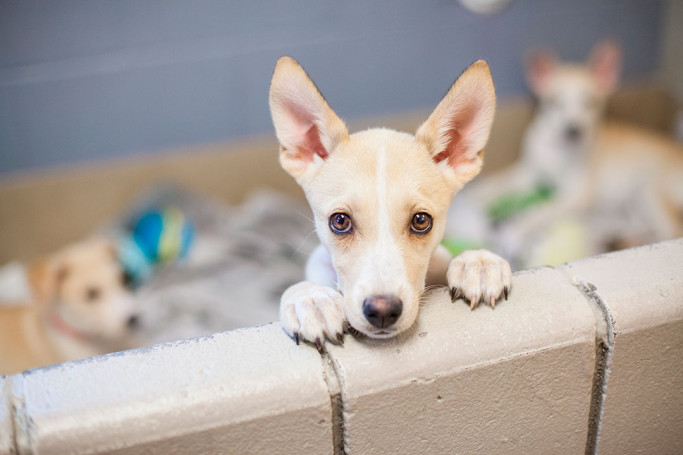
In 2017, 138,000 ARISTOPETS were rescued. And for the first time since 2014, 43% found a new family and new opportunities for life and future by their side. Meanwhile, 18% were returned to their original family. These numbers are encouraging and show that little by little, Spanish society is becoming more aware of a topic of crucial importance for pets, but also for society as a whole.
The remaining percentage of rescued pets (39%) remains awaiting a favorable turn of fate. A plot twist that allows them to enjoy the life they deserve, with respect, affection, and protection. In many cases, these animals do not enjoy the luck of their former shelter or rescue companions, due to their advanced age; suffering from some ailment or illness; or showing behavioral problems, as a reaction to a life that has been far from rosy.
We encourage all of you who are considering adopting a pet (after having seriously reflected on the reason that leads you to adopt and the commitment you are willing to make with the pet when it arrives), to broaden your horizons and not only think of a puppy when adopting.
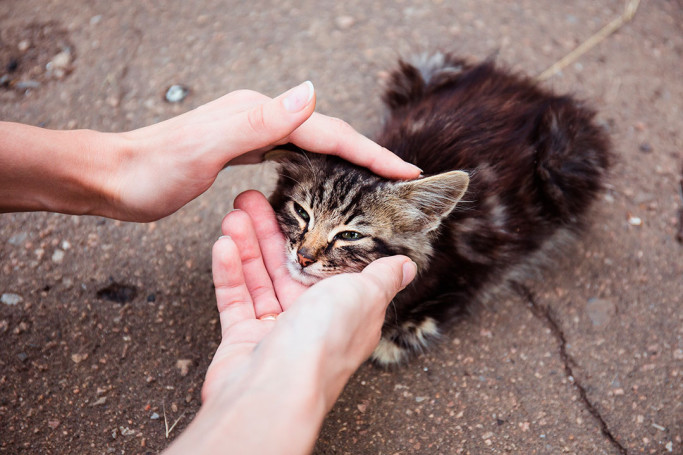
As actress Sara Rivero told us in one of our editorials, senior dogs are largely overlooked in adoptions. However, as is the case with her dog Peter, “they adapt very well to small spaces and more active lifestyles, since with a warm home, short walks, and attending to their care, they are more than satisfied.” Not to mention how comforting it is to be there to provide a dignified end for these animals, who have suffered so much throughout their lives.
Also looming over some of the rescued animals is what is known as "black dog syndrome," a stigma we talked about some time ago that causes most black dogs to be rejected by those who go to a shelter with the intention of adopting. Apparently, people prefer a light-colored dog because they tend to think (wrongly) that dark-coated dogs are more aggressive.
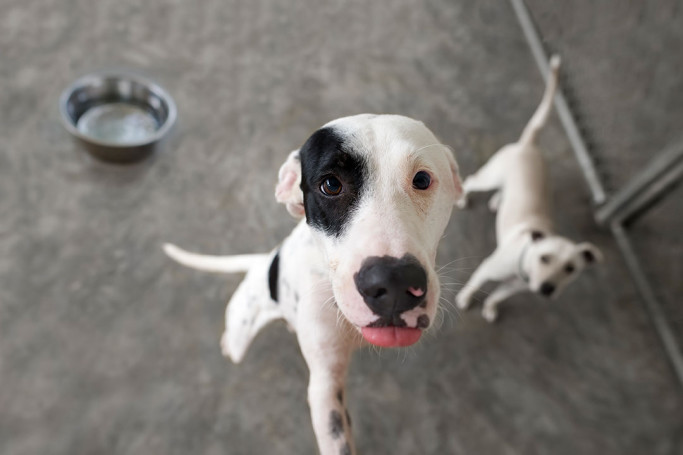
Dogs considered “unattractive” also have a very hard time finding a new home. To the extent that 3 out of 10 die in shelters, according to data collected by the Lliga Protectora d’Animals i Plantes de Barcelona.
Not to mention cats, whose independence and autonomy play a trick on them when it comes to finding a new family. Since it is often thought that because they “can fend for themselves,” they don’t suffer as much if they are abandoned. Which is completely false.
In short, although the figures are improving, we still have a lot to do. And a big part of that has to do with a definitive change in mindset. To stop objectifying pets, to stop giving in to fads, and to truly integrate dogs and cats into our families.