


From the age of seven, a dog is considered senior. The passage of time affects our ARISTODOGS just as much as it affects us. At this stage, dogs' temperaments usually calm down (although some become grumpier), and they also become less active and energetic. They also experience physical changes (graying around the mouth and eyes, difficulty exercising, and hearing and vision problems). For all these reasons, their needs change. And their diet must change too (just as we adjust their diet when they are puppies).
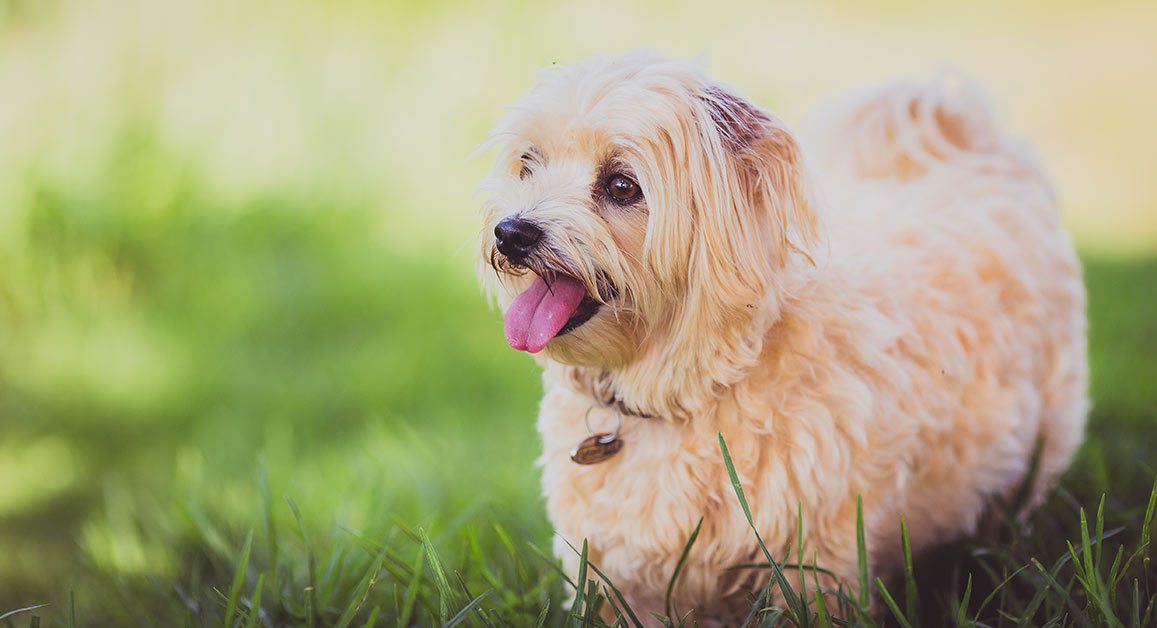
According to a study conducted by a US university, eight out of ten ARISTOPARENTS intuit that their furry friend will need a different diet when they enter old age. However, only half of owners make the necessary changes to their dogs' diets. In many cases, this is due to lack of knowledge. In others, unfortunately, it is due to neglect.
Today at ARISTOPET, we aim to give you some tips on how to feed your old ARISTODOG correctly, to help them age with a good quality of life and continue to be happy.
1. Reduce fats
An aging dog needs the same basic nutrients as a young one. These nutrients include proteins, fats and vitamins, and carbohydrates and minerals. The difference lies in the quantity of these components that should be in our ARISTODOG's bowl.
In that sense, fats are what vary the most. An older dog still needs fats to maintain its body temperature and protect itself from the cold. Fats also help keep its coat and skin in good condition. But their food should be less energetic and contain less fat, as the dog's physical activity usually decreases at this stage.
This decrease in exercise means that they burn calories at a slower rate. That's why a senior dog is at greater risk of becoming overweight. And although this can be counteracted with certain exercises, as we show you in this post, we must help them with an appropriate diet.
Extra pounds increase the risk of diabetes or worsening arthritis. So veterinarians advise reducing the amount of calories they consume by about 20%. In ARISTOSHOP you can find a wide range of suitable foods for this vital stage of your ARISTODOG.
2. Don't skimp on protein
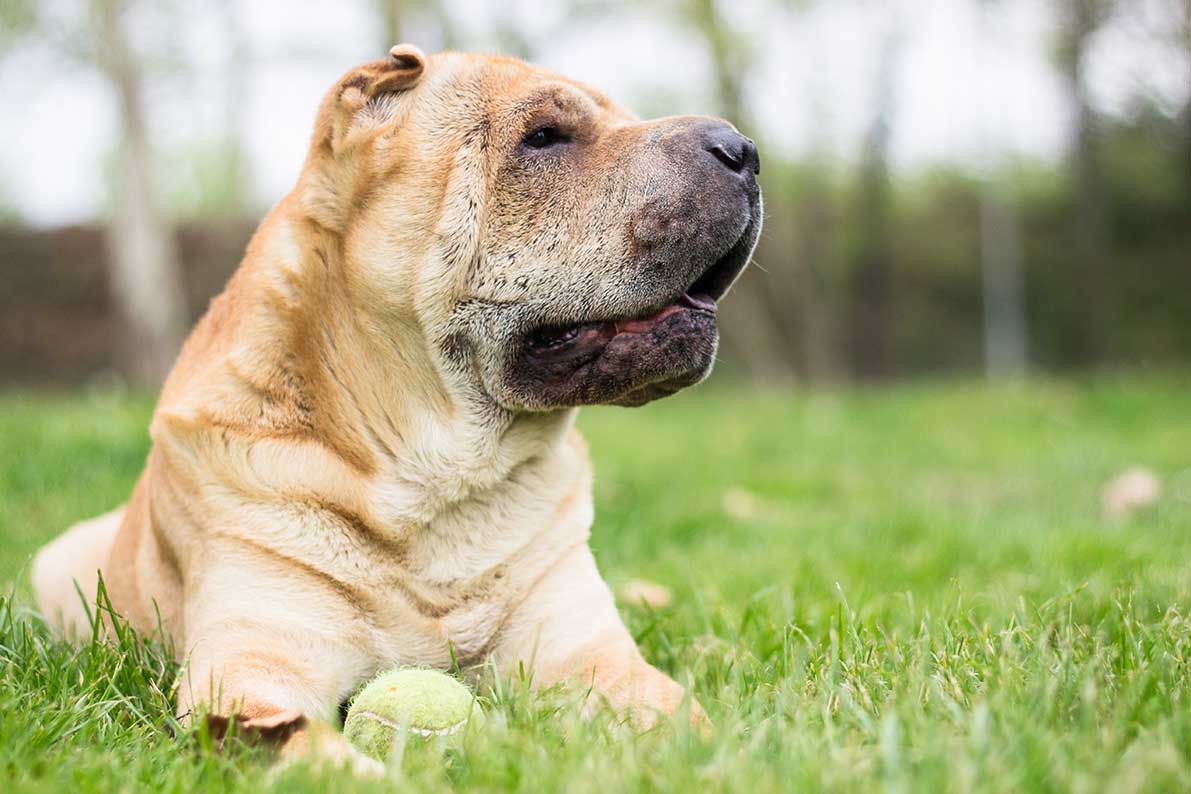
An older dog's diet should contain more protein to counteract muscle deterioration. In this regard, an older dog, just like a young animal, needs protein to help it transform the food it ingests into smaller substances that its body can use.
3. More vitamin C
The cells in a dog's body also age. And older dogs can suffer from memory loss and other cognitive dysfunctions. Vitamin C helps delay brain wear and tear, as it acts as an antioxidant. So the amount of vitamin C in a dog's diet should increase. Some lipids, such as phosphatidylserine, also help keep canine neurons active.
In ARISTOSHOP you will also find a range of vitamin-rich products to take the best care of your senior dog.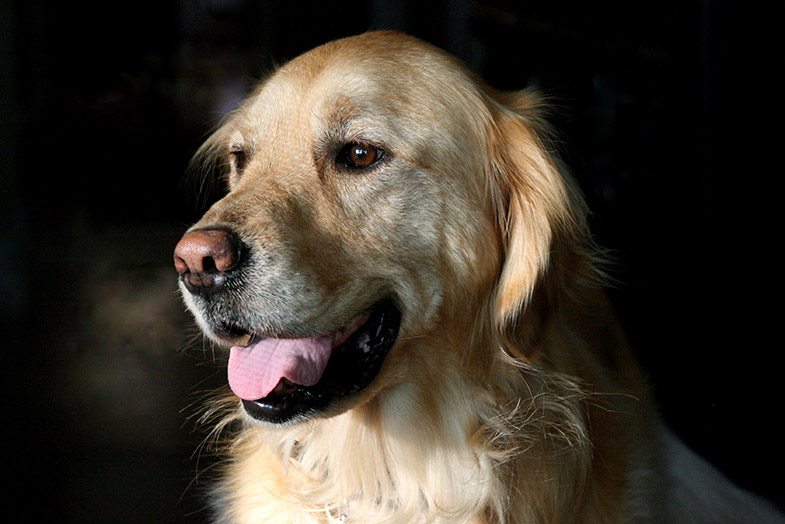
We hope these tips help you take better care of your senior dog. As you know, at ARISTOPET we have a great love for them. In fact, as we have told you before, having a senior dog is fantastic. And every day more people realize how grateful they are and the very special relationship that is established between an ARISTOPARENT and their senior ARISTODOG. Sara Rivero and Peter Weber, the protagonists of our latest editorial, are a great example of this.