


Taking care of our dog's nutrition is important at every stage of their life. But as they age, it's essential to pay special attention to this issue to adapt their diet to their needs and thus improve their quality of life as much as possible.
You're probably looking for recommended foods for senior dogs to help them in their golden years. And today at Aristopet, we want to give you some recommendations to meet their needs as much as possible. Will you join us?
First of all… when does a dog's senior stage begin?
Generally, we refer to a dog as senior when the animal is approximately seven years old. However, depending on their breed and size, we will consider them more or less elderly.
Small breed dogs usually have a longer life expectancy than large or giant breed dogs. In the case of a Great Dane at seven years old, we would consider them very elderly, unlike a Yorkshire, which at that age would not even have reached its senior stage (they can live up to approximately 16 years!).
However, we must bear in mind that every dog is unique and not all age at the same rate or in the same way. The nutrition and care they received during their adult stage will also be decisive in facing their senior years in the best possible conditions.
Signs that indicate your dog is getting older
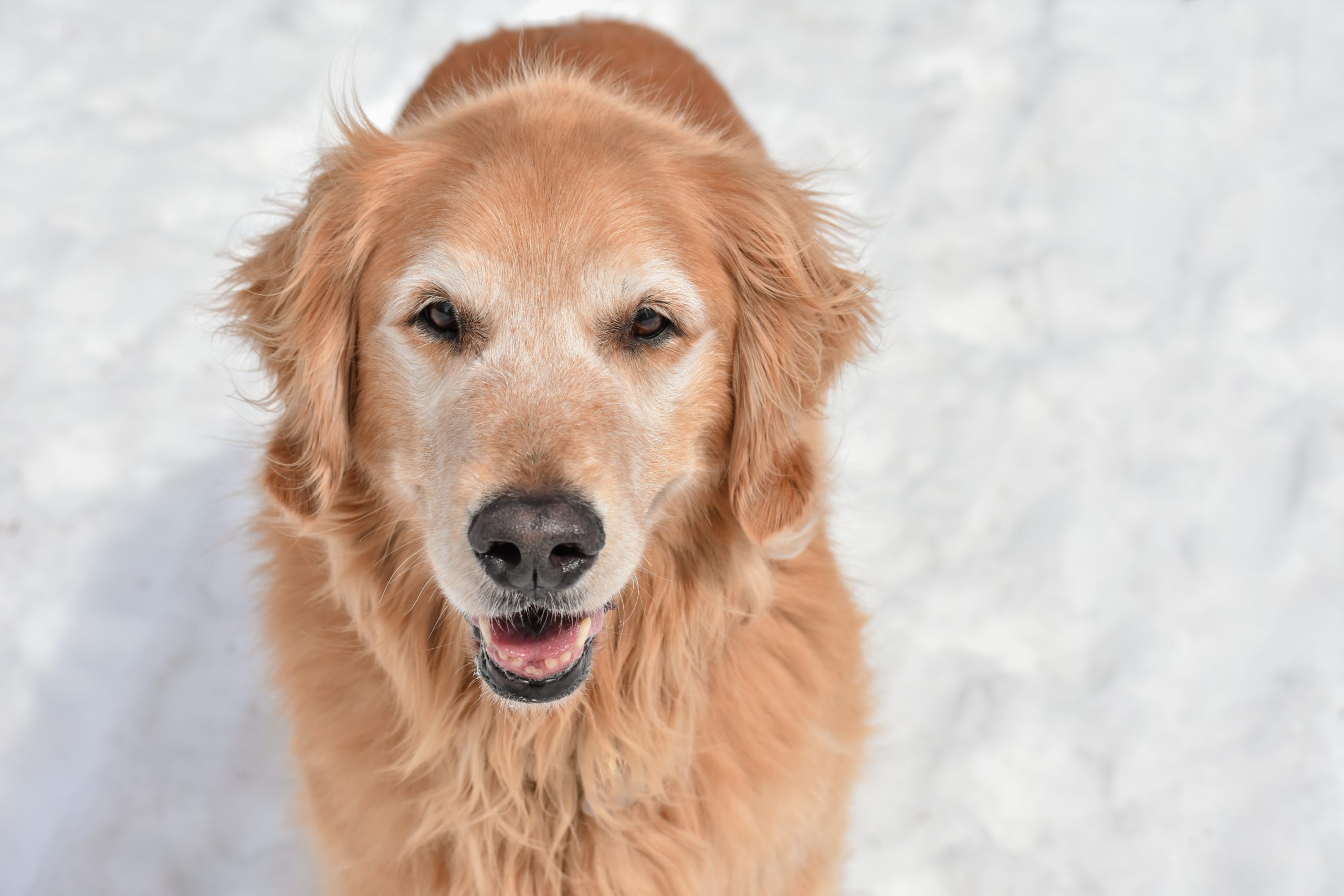
There are indicators that can make you notice your animal is entering its more mature phase. These can range from physical signs to specific behaviors that catch your attention. Some of them may be:
- Appearance of gray fur around the mouth, eyes, and paws.
- Their sense of smell, hearing, and/or sight are not as keen as before.
- They have more difficulty staying active and need more rest.
- Urinary incontinence problems.
- Degenerative diseases such as hip dysplasia, osteoarthritis, osteoarthrosis…
- Neurodegenerative diseases like Alzheimer's.
- Tartar and cavities.
- Weight problems.
Monitoring their well-being at this stage is very important, and it is vital that you consult your veterinarian at any sign that something may not be right.
General recommendations for the proper nutrition of our senior dog
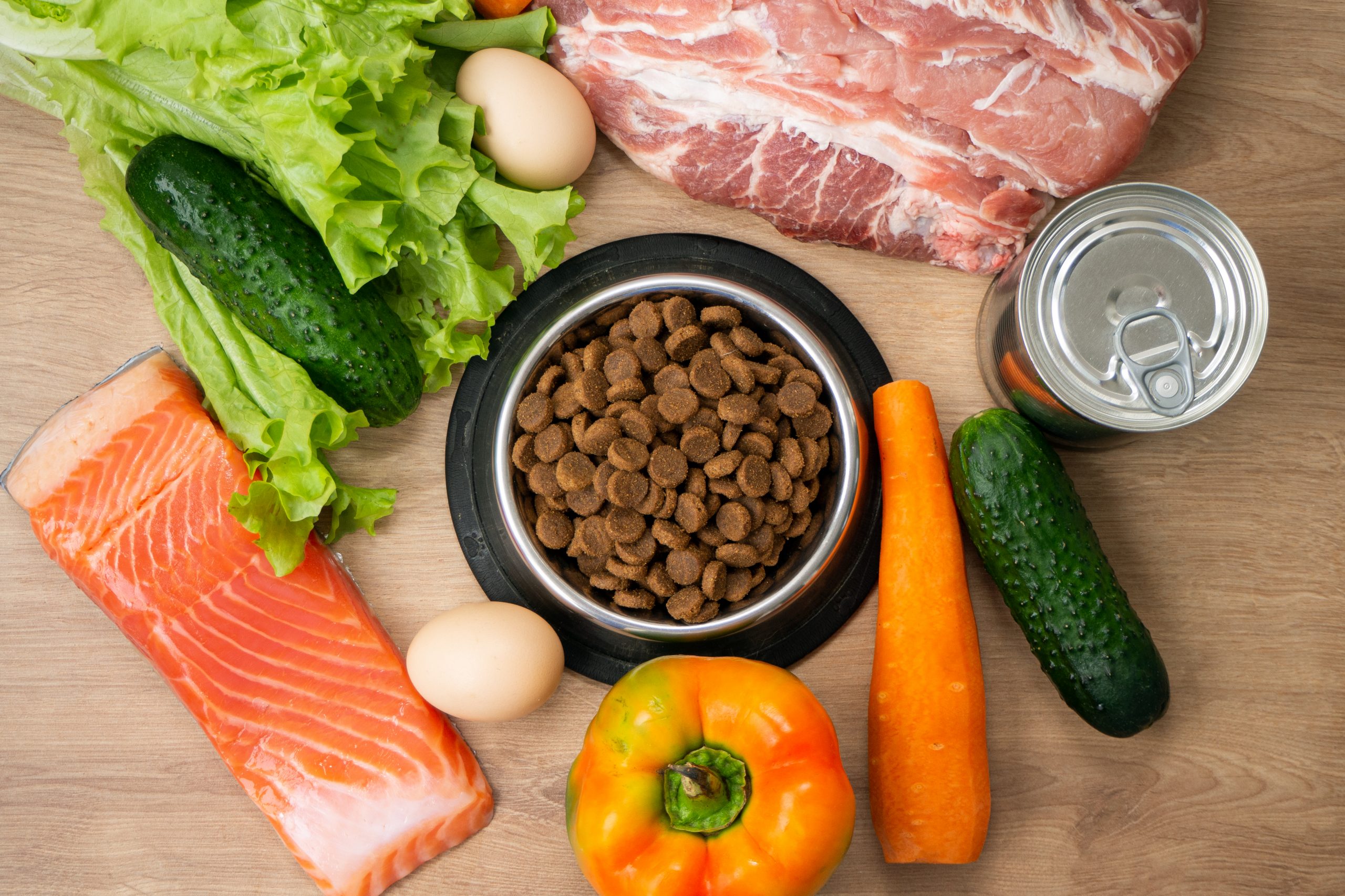
If we focus on nutrition, it is important to consider several points. According to Alba Pérez, a veterinary specialist in Nutrition, Internal Medicine, and Oncology, and creator of the Vetropía Virtual Veterinary Clinic, dogs need much more palatable food because, due to their age, they lose their sense of smell and, therefore, their appetite. To achieve this, it is advisable to incorporate soft food into their diet as much as possible and slightly increase fat at the expense of protein. In this way, we will also increase their water intake to promote the proper functioning of their kidneys and liver, and we will be providing them with high-quality protein.
The latter is important to help them maintain their muscle mass. If it's fresh meat, it will be high-quality protein. However, if their diet is based on dry food, its quality will not be as high since it is not a fresh product but an ultra-processed one. However, if you prefer to opt for dry food, you should consider several points to choose the best option for your dog:
- It must be a feed with a good amount of meat in its composition to reduce the possibility of developing urinary problems, infections, crystals, stones in the urine, kidneys, or liver…
- It is important that it does not contain animal by-products.
-
- Bone meal, meat meal, dehydrated animal protein: these are used to increase the percentage of nutrients, but they are not very digestible for our dog.
- Dehydrated poultry protein: these increase the final protein value of the feed, but their nutritional value is very low.
- Waste such as beaks, feathers, heads, offal… these are used as filler.
-
Recommended Supplements
Although there are no recommended foods for senior dogs, Alba Pérez also recommends a group of supplements to complement our dog's diet. She points out that at these ages, good supplementation is vital for the animal to enjoy the best possible health. Although they are usually recommended individually (due to possible pathologies the animal may present), in general terms, anyone will benefit from:
- Omega 3: a very important supplement for the entire organism, but especially at this age to maintain good cognitive health and prevent senile dementia as much as possible.
- Probiotics: microorganisms that have beneficial effects for the correct maintenance of the immune and digestive system. We can find them in some foods like certain fruits and in yogurt.
- Prebiotics: plant-based fibers that stimulate the growth of good bacteria and serve to feed probiotics. They have great benefits, such as increasing the absorption capacity of nutrients, as well as improving the immune system and reducing inflammation. They are found in vegetables such as chicory, artichokes, asparagus…
- Green-lipped mussel for glucosamine +/- curcumin: essential for caring for our dog's joints. Glucosamine is a protein found in joints that decreases in quantity over the years. This supplement is important for senior dogs and especially in large or giant breeds (Bernese Mountain Dog, Golden Retriever…) that are often prone to hip or elbow dysplasia, or in chondrodystrophic breeds (Bulldogs, Boxers, Dachshunds…), susceptible to hernias and joint problems. However, if arthritic problems are already present, it is recommended to add curcumin as a potent anti-inflammatory along with glucosamine.
- MSM: in cases where there is a severe arthritic problem, it is better to supplement our animal's diet with MSM than with glucosamine, as it is a much more potent anti-inflammatory.
- Ginseng: a supplement that gives them energy and helps to lift them out of a state of apathy. It gives them an extra boost to maintain their walks and healthy activity for their musculoskeletal system.
And you… do you have a senior dog? How do you feed them? Tell us about your experience on social media!