


The relationship between humans and dogs goes way back. To a time when the world was more hostile, and both species fought for survival. Or at least that's the thesis supported in the film Alpha.
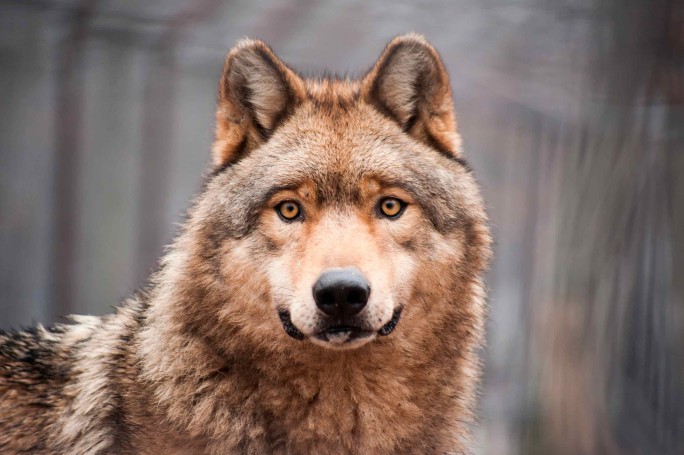
Alpha is an epic adventure set in the territory we now know as Europe, more than 20,000 years ago. That is, during the last ice age. The protagonist is a young man who, on his first hunt with the best hunters of his tribe, ends up being wounded and left for dead (or lost) by the rest of his companions. In that era, probably no one was too considerate, and the maxim "every man for himself" prevailed. When the young man wakes up, he finds himself alone, in the middle of a frozen, rugged, and hostile natural landscape. Far from stopping to take pictures or upload a story to Instagram, as his successors today would do, Keda, as the boy is called, has only one goal: to survive. It is during this struggle that he encounters a wolf who has met a similar fate: rejected by his pack, he wanders alone, gripped by despair. This is how, out of sheer necessity, they learn to trust each other, to support each other. Little by little, their relationship grows stronger. They become inseparable allies. And later, perhaps, friends, if the concept of friendship was possible in an era as harsh as we imagine the glacial period must have been.
At this point, it's time to watch the movie trailer:
The film, directed by American Albert Hughes, is interesting. Its cinematography is breathtaking. And the "invented" language in which the few dialogues of the film were shot is, to say the least, curious. Is it faithful? Realistic? Based on the fact that there is still no unanimous theory about how this relationship arose, this feature film's approach is perfectly valid and fits with the reality suggested in different studies. Among them, the most recent, published in Nature Communications, states that modern dogs may have originated from a single group of wolves domesticated in Europe about 40,000 years ago. Something inferred from the high degree of genetic elements shared by ancient and modern DNA samples. Another study, this time published in Science, suggests that dogs were domesticated at two different times and from different wolf populations, in Europe and East Asia. That is, there may have been two independent moments of domestication. If there is no scientific consensus, a film cannot be expected to illuminate this question with a definitive theory. Because after all, it is just that: a film. One that has swept the box office in the United States, yes, but still just a film.
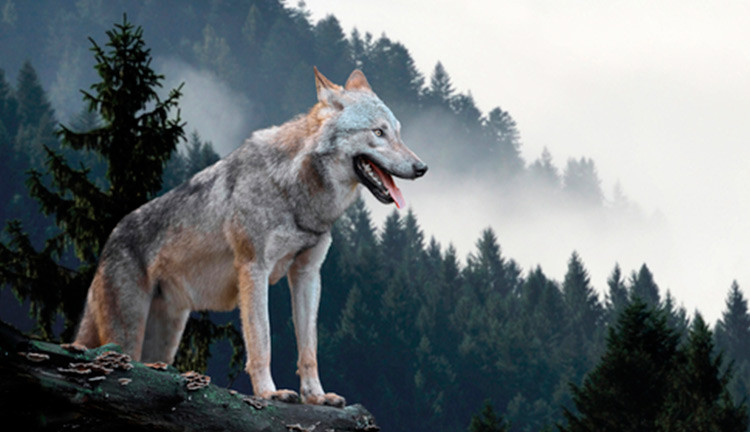
What can be asked of the film is that it entertains. It fulfills that without problems. And that it makes people think or stirs some consciences. This story may not bring anything new to those of us who love pets and have deep respect for the animal world and, therefore, tend to be informed and research. But it is good that these kinds of blockbusters continue to be created to raise awareness, especially among groups that still have doubts. If not about dogs, then about wolves. Let's remember that in Spain, for example, the perception of wolves in many areas is still terrible. Perhaps if we remember that thanks to them and the passage of thousands and thousands of years, we now have our ARISTODOGS, things might change. Likewise, generating conversation is one of the few ways we have to ensure that our concerns regarding the animal world are taken into account in the inaccessible legislative sphere.