


Throughout history, cats have played a fundamental role in homes and cultures. So much so that they were exalted and honored by their ARISTOPARENTS. Today we propose a brief journey into the past to reclaim the figure of felines in the main ancient cultures of the world.
Egypt
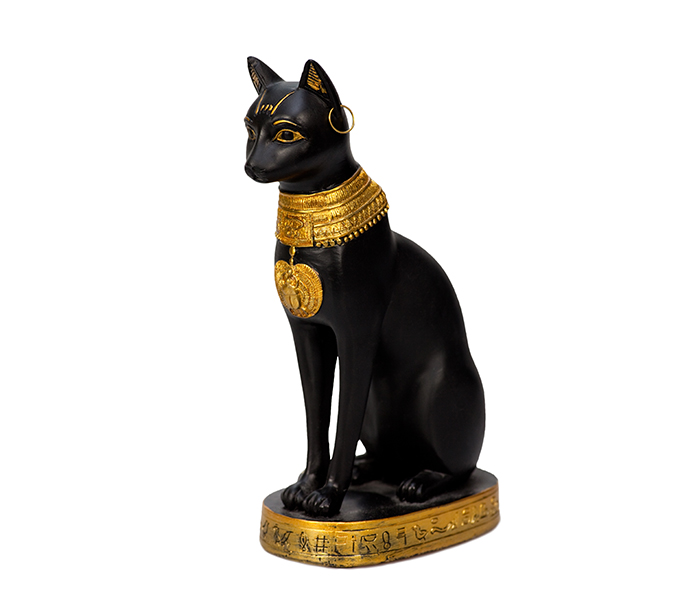
3000 years before the birth of Christ, cats had already been domesticated in Ancient Egypt. They were animals idolized by the court and by society in general. Initially, their role was linked to the protection of silos and the wheat they contained (a vital resource for this people), but they also kept rats and vipers at bay, which made the Egyptians believe that they were an earthly representation of the goddess Bastet.
Bastet was the protective goddess of the home, but she was also associated with the night, the moon, and its mysteries. She watched over the souls of the dead and made men and animals very fertile. Hence, she was represented with a cat's head. And, most importantly, this is why cats were defended tooth and nail. Any attack against an ARISTOCAT was punishable by death. And speaking of dying, when cats passed away, they were mummified and their owners shaved their eyebrows as a sign of mourning. Although we already told you more about this in this article.
Japan
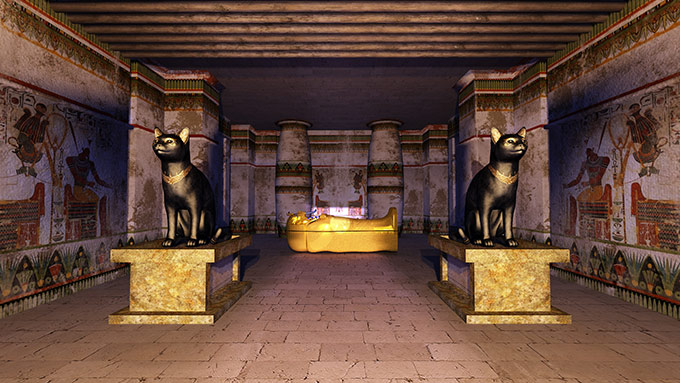
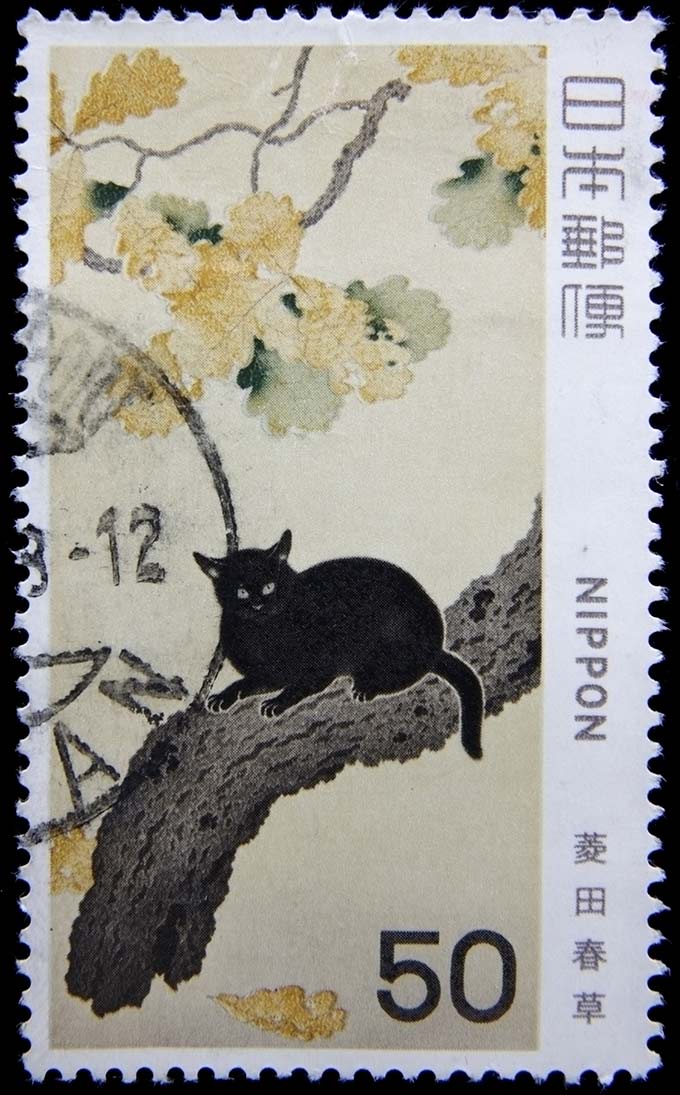
Cats have been present in Japanese homes for over 1000 years. Both as companions and in symbolic representations, such as maneki-neko (to which we dedicated a post you can read here), or as beings worthy of offerings (on the island of Tashirojima, there is an altar dedicated to these felines, built to celebrate the fact that cats hunt rats there, which in turn feed on the area's main commercial product, silkworms).
ARISTOCATS are also very present in Japanese literature. Good examples of this are two great novels: I Am a Cat by Natsume Sōseki, or The Cat Who Came from the Sky by Takashi Hiraide.
Islamic tradition
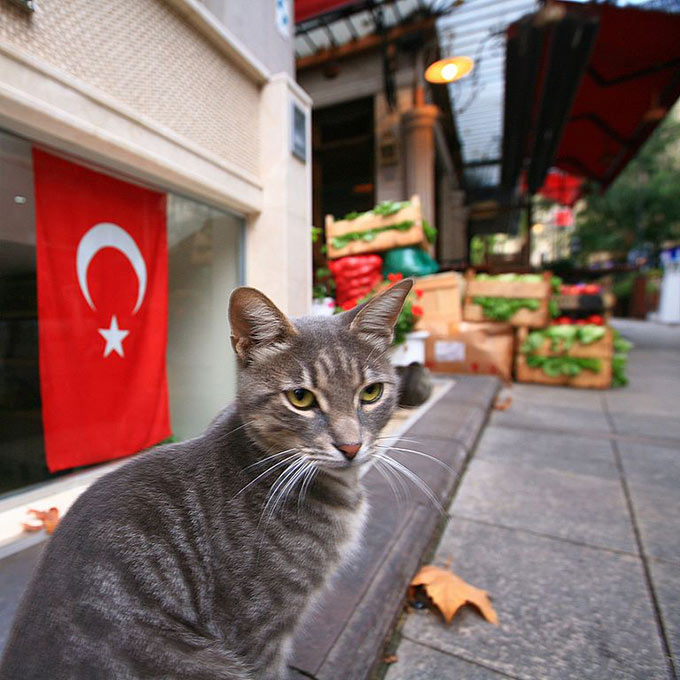
The love and respect for cats are fundamental to Islam. In fact, it is said that Muhammad was very fond of cats. His favorite cat was named Muezza. Legend has it that one day he was about to go pray, and his animal had fallen asleep on his robe. To avoid waking it, the prophet cut the fabric of the garment that his feline occupied... and let it continue sleeping.
Moreover, they are considered inherently clean animals under religious hygiene laws. Therefore, they can enter homes and even mosques. In this documentary, you can appreciate how cats are part of life in one of the great Islamic capitals: Istanbul.
China
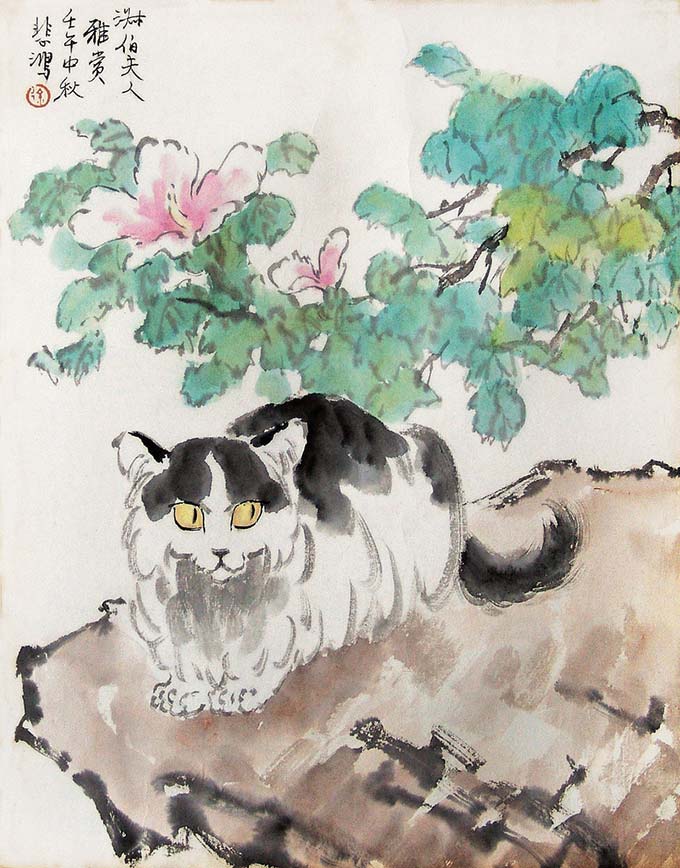
In China, the goddess Li Shou was in charge of fertility and pest extermination. She was represented in the form of a cat and was very popular, partly due to another myth recorded during the time of Confucius (551 BC - 479 BC), which explained that when the world was new, the gods chose cats as overseers of their creation. For this, they gave them the ability to speak to facilitate communication between them. Despite their popularity over the centuries, cats were especially loved, admired, and respected during the Song Dynasty (960–1279).
We hope you enjoyed this historical and cultural journey through the lives of cats and their presence in our societies.