


Animals, like people, suffer from temperature changes. Summer is just around the corner, but temperatures are rising in some parts of the peninsula, already reaching 40 degrees Celsius. A heatwave hasn't arrived yet, but we are on the verge of one.
Both dogs and cats regulate their body temperature less effectively than humans. Animals don't sweat, so they can't expel heat. The only way they can do it is through their mouths.
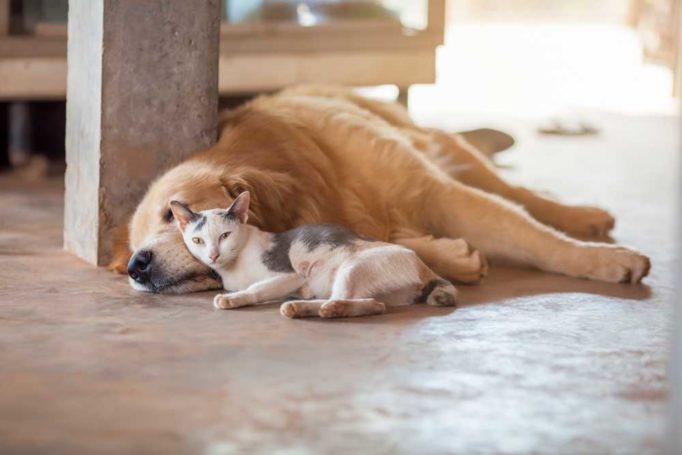
In this way, both dogs and cats can suffer from heatstroke. The animals most prone to heatstroke are puppies and seniors. There are even certain dog breeds, such as Pugs, Boxers, and those with flatter noses, that are more susceptible due to their respiratory problems.
The main symptoms of heatstroke in dogs or cats are:
– Dizziness
– Very rapid breathing
– Vomiting
– Increased heart rate
Whenever your dog or cat has been in the sun for a long time, and you notice they are acting strangely or don't want to move, it is recommended to visit the vet. But above all, you should give them fresh water and wet their head, neck, and paws. And most importantly, take them to a cool place.
Other effects of heat on pets, especially dogs, can include suffering from burns on both their skin and paw pads. For this, it is recommended to visit the vet and ask if it is advisable to apply sunscreen to your pet, as their skin may be too sensitive to the sun. Also, protective cream for paw pads, as asphalt retains a lot of heat and they can get burned during walks.
Even other animals with the heat may experience reduced appetite and refuse to eat. It is always advisable to consult a vet for appropriate procedures, as an animal cannot go without eating, as it can become dehydrated, especially with the heat.
Tips to combat heat in pets:
Below are some tips that can help you combat heat in pets. It is always recommended to consult with your trusted veterinarian.
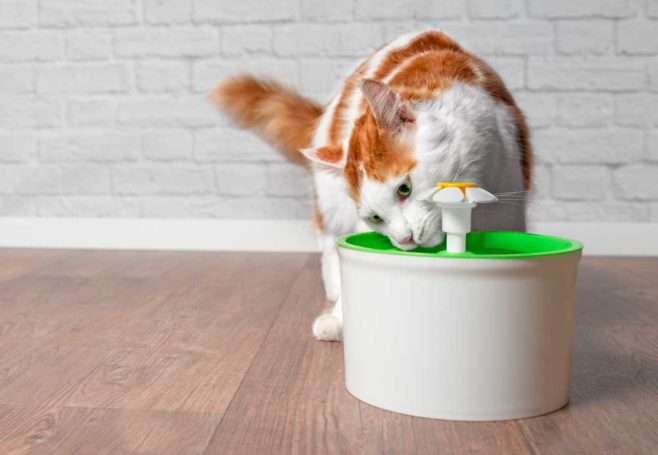
– Hydration: It is very important that your pet is always hydrated. They should have fresh, clean water available. For this, there are cooling water dispensers that can be frozen to keep the water cool. Also, water fountains.
– Haircut: For certain dogs or cats, it is recommended to cut their hair to keep them cooler. For those that shed, it is not necessary because they have a special layer that keeps them cool. For example, Huskies. For this, you should always consult your veterinarian. It is also advisable to brush them more often to remove dead hair, especially in cats, to prevent hairballs.
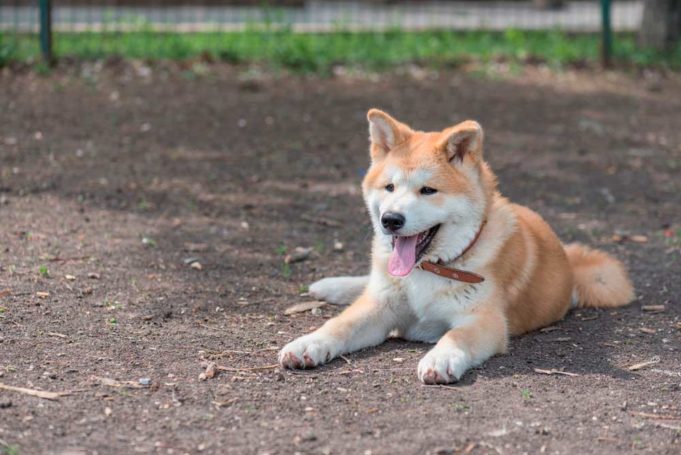
– Control walk times: Avoid walking your dog during hours when temperatures are very high. Also, prevent them from doing too much exercise.
– Find cooler places to put their bed and belongings: Both at home and in the garden or on the terrace, try to place your pets' things, especially their bed, in cool places. For this, there are cooling mats or cooling pads.
These tips can help you combat high temperatures and prevent your pet from suffering in summer. It is always recommended to visit the vet if you have any questions or problems.
How does your pet handle the summer? Tell us on social media