


As we have mentioned many times, dogs are creatures of habit. If they learn something from a young age or get into the habit of doing something, they may continue to do it their whole lives. Despite this, they can continue to learn new things as they get older; they don't have to learn everything as puppies.
Is there an exact age to train dogs?
It is true that the best age and time to teach a dog is when they are puppies. It's the same as with children; the best age to acquire good habits and learn to relieve themselves outside or avoid eating garbage, among many other things, is when they are between 3 months and 2 years old. However, this does not mean that they cannot learn new things at different ages.
One of the main concerns for families who want to adopt a dog is whether they will be able to teach it despite its mature age. When you adopt a dog that is already a couple of years old, the learning process may be slower than that of a puppy, but this does not mean that it won't learn to do things well. Ultimately, dogs are one of the most intelligent animals, and with perseverance and dedication, things can be achieved. Therefore, the learning process cannot be an impediment to adopting a dog.
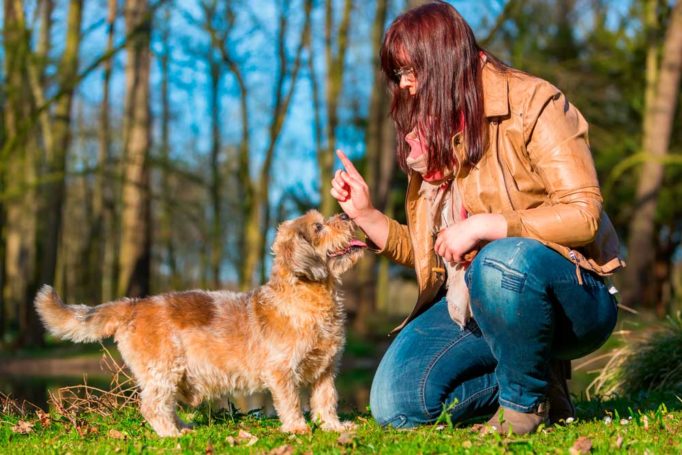
There are certain things like giving a paw or fetching a ball that are more complex learnings that require teaching from a young age, but relieving themselves outside or not pulling on the leash or barking are things they can learn little by little because they are instincts very specific to dogs.
Tips for training a dog regardless of its age
Here are some tips that can help make your dog's education process more effective and, above all, improve coexistence:
- Don't be impatient: One of the most important tips is not to lose patience. You have to try to be patient, not yell at them or lose your temper. The more nervous you get, the worse communication and trust you will transmit to your dog.
- Reward them: try to reward them with snacks or toys so that they understand what they are doing well and what they are doing wrong.
- Maintain a routine: Try to teach them consistently and for a specific time, meaning not for many hours. It is better to organize yourself and establish a learning routine, so they can learn faster.
- Be positive: you have to be positive and maintain faith in both your learning and your dog's, so it will be better for both of you.
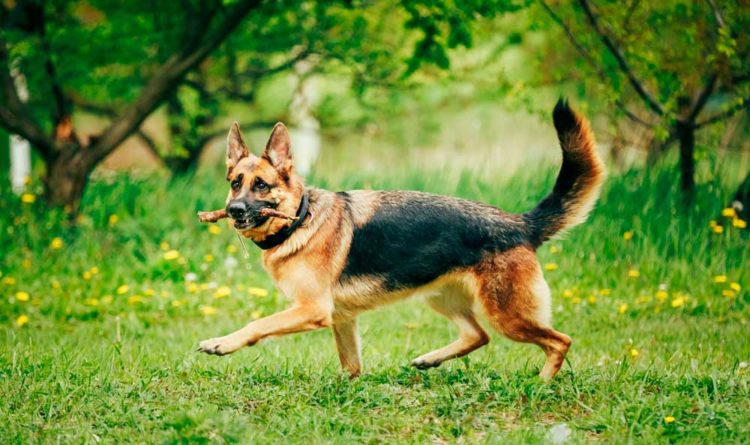
These four tips can help you improve coexistence and know how to train your dog, regardless of its age. But above all, you should always consult a specialist, whether a veterinarian or a trainer, as they are the ideal people to know how to train a dog.
What did you think of this article? Tell us on social media.