


You may not be familiar with the name Corine Pelluchon. But she is one of the most interesting contemporary philosophers. And one of the most committed to the animal cause and to environmental philosophy. That's why today we want you to get to know her better.
Pelluchon, born 50 years ago in Barbezieux-Saint-Hilaire (France), is a professor of philosophy at the University of Paris-Est-Marne-La-Vallée. Her specialty is political and moral philosophy and she is a defender of the animal cause because, in her opinion, it is the cause of humanity. Since it promotes a better, less violent, and more just world.
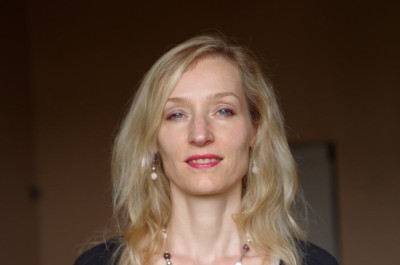
Pelluchon became interested in this topic due to the profound trauma of becoming aware of the suffering to which, as a society, we subject animals. Since then, she has dedicated part of her academic efforts to defending this cause, far from the caricature or parody that certain social agents make of the animal rights movement.
The philosopher believes that the politicization of the animal rights movement is positive. Since it helps to "organize coexistence between humans and non-humans." In this way, the interests of both become integrated into the idea of "common good." Only then can a less violent society be built. In this sense, it is logical to include animals in what she calls "the sphere of moral consideration," because animals feel (we have already talked about that more than once) and that allows them to have the capacity for suffering, but also the desire to live, fear of death, expression of pleasure, and the will to create emotional bonds.
In this video you can see in depth what she considers politicizing the animal question:
That said, Pelluchon does not believe that animals are citizens. She recognizes them as members of our community and, by extension, political subjects. They are capable of communicating their interests and preferences, although they need us to decipher them (what she calls "dependent agency"). And she insists that this last point must be taken into account to establish a starting point from which to define animal rights. Rights that should not be like those we humans receive, but different, based on their condition as sentient beings.
Meanwhile, until that moment arrives, Pelluchon assures that our relationship with animals reflects the relationship we have with ourselves, as a species, but also as individuals. And she believes that the perpetuated violence we inflict on other species is related to other forms of violence, such as racism or sexism.
In recent years, the French philosopher has been working on a book, Manifesto animalista. Politizar la causa animal (Animalist Manifesto. Politicizing the Animal Cause), recently presented with strong ecofeminist reminiscences, with which she aspires to transform animalism into a new, universal, and profound humanism. In it, she proposes two timelines for political struggle. The first, and shorter-term, should seek broad agreements on issues such as ending captivity, prohibiting animal shows, and banning furs and foie gras (always ensuring the professional future of workers in the meat, circus, and zoo industries). The second, which works in the medium and long term, should focus on the total elimination of animal exploitation.
Hopefully her words will inspire and enlighten those who have the power to decide. For our part, we will continue to give visibility to women like her or like Pauleen Bennett, who are working hard for the animal cause.