


The so-called post-holiday syndrome, also known as post-holiday stress or depression, is a concept that refers to the anxiety or emotional pressure that we must face when readjusting to work after a (deserved) vacation.
Getting used to working life again is difficult. Because it implies changes in schedule and lifestyle, as well as resuming obligations, reducing leisure time, exchanging fresh air and sunshine for marathon days indoors. In addition, the work environment and the work we have to do also decisively influence the appearance of post-holiday syndrome. Those who perform creative tasks are less likely to suffer from it than those who have monotonous jobs.
In general, we worry a lot about suffering from post-holiday depression and we implement strategies to prevent it from arising (scheduling our return home in advance and in a relaxed manner; gradually increasing the intensity of work; maintaining a positive and grateful attitude for having a job...). But what if it's our pet that suffers from post-holiday depression?
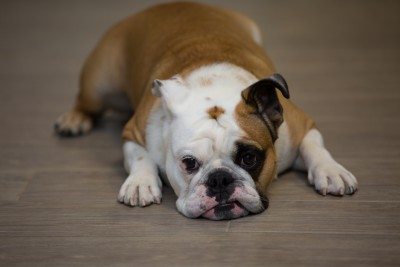
Many people don't even consider that this can happen (sometimes we are so focused on ourselves that we don't see beyond). But the truth is that it does happen. And, unfortunately, more often than we imagine.
Why do pets get post-holiday depression?
On the one hand, our pets feel and just by looking at us they know that something is wrong, that changes are coming. As a result of that strong connection they have with us, this can lead to them being sad and down themselves.
On the other hand, our pets can suffer from post-holiday depression when they start spending less time with us. Which is largely unavoidable, unfortunately, as soon as we get caught up in routine. They miss us a lot, they don't quite understand the reason for the separation, and that makes them sad. They are also affected by spending less time outdoors, burning less energy, and having fewer opportunities to socialize. This is particularly noticeable in pets living in apartments or not-so-spacious homes in large cities.
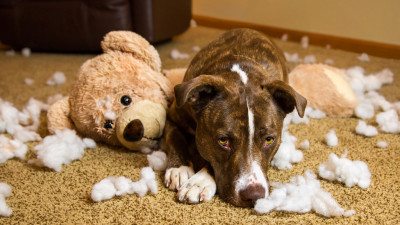
How to know if your pet has post-holiday depression?
In general, just by looking at them you'll realize it. The change that pets with this syndrome experience is particularly noticeable. Remember that you know your pet better than anyone. If they behave differently from their usual self, be alert. This can translate, for example, into them being more irritable and barking more or being more restless and doing things to get your attention. It can also happen that they become lethargic and show little activity, that they don't want to eat, that they cry, and even that they try to escape from home.

Tips to help your pet
• Try to return home a few days before starting work so that the adaptation can be gradual. If you suddenly disappear one day, your pet will feel it much more.
• If you notice that they have lost their appetite, do not wait a minute and consult the veterinarian. There are feeds with vitamin supplements that could help.
• Give them a complete check-up when you return from vacation to rule out that they may have contracted any virus.
• And, above all, be patient and give them more love than usual. Play with them whenever you have the opportunity, extend walks, surprise them with a toy or treat. Let them know that they are still one of the fundamental parts of your life. And always will be.
From ARISTOPET, we hope that the return to routine is as manageable and easy as possible for all of you, dear aristopeters. So cheer up and be happy! The best is yet to come.