


Cat litter is a basic necessity for your cat's and your home's hygiene, very important when it comes to training your ARISTOCAT. On the market, you can find various types of litter to fill your cat's litter box: clumping litter, silica gel, mixed, or other eco-friendly options like corn cob, recycled newspaper, or wood shavings. For a litter to be optimal for cats, it must have good clumping ability, a sifting process, and odor elimination technology.
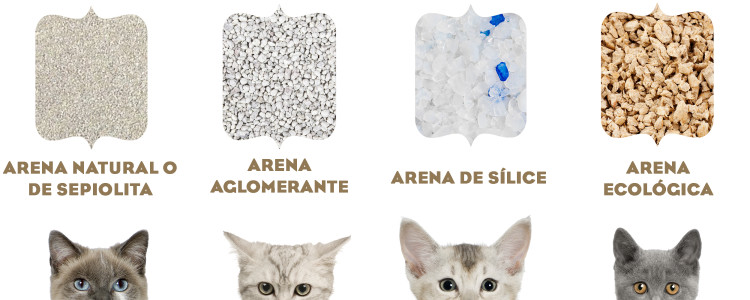
Let's analyze the different types of litter currently available on the market to help you choose:
This is a natural option, without any chemical additives, so it poses no risk to the health of people or cats.
Cost: Economical
Duration: Limited, you need to change it frequently to combat odor.
Advantages: Low cost and easy to find
Disadvantages: Not very absorbent, difficult to clean waste without completely changing the litter box.
Joaquín Albadalejo, certified in feline medicine (Clinica Veterinaria de Ronda Sur) points out that this type of litter is not recommended for several reasons: "They don't absorb adequately, they are harder to keep truly clean (urine seeps to the bottom), cats dislike their texture (it has sharp edges), etc... We see many behavioral problems associated with cats urinating and/or defecating outside their litter box, and often these problems are related to various aspects of the litter box, with the type of litter being one of them."
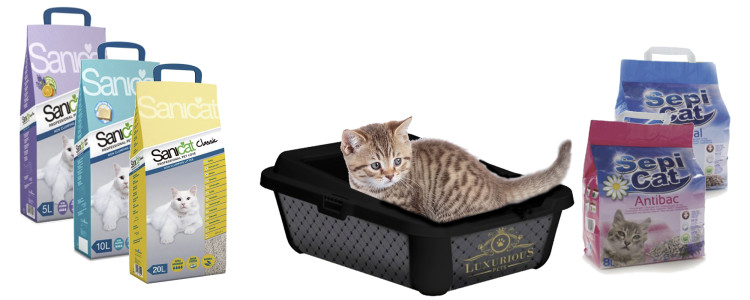
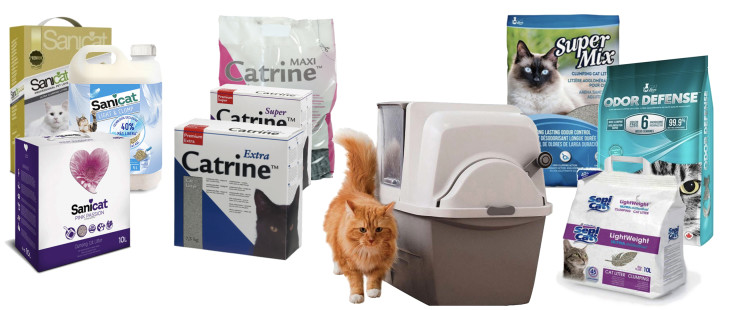
Cats usually like it because the box stays cleaner for longer. By eliminating waste, odor problems are also minimized.
Cost: Economical
Duration: Lasts much longer. Simply replace the discarded material daily. A thorough cleaning is recommended at least once a month.
Advantages: Makes keeping the litter box clean much easier, as it forms solid clumps that are easier to locate and clean. Perfect for completely neutralizing odors.
Disadvantages: Many of them are scented, which may be rejected by your ARISTOCAT. Some clumping litters can generate dust, which may be a reason for rejection by some cats and owners.
"Clumping litters are the most suitable and offer the best quality/price ratio because, although they are generally somewhat more expensive than sepiolite litters, they are more durable and therefore the cost is diluted over time" (Joaquín Albadalejo, certified in feline medicine)
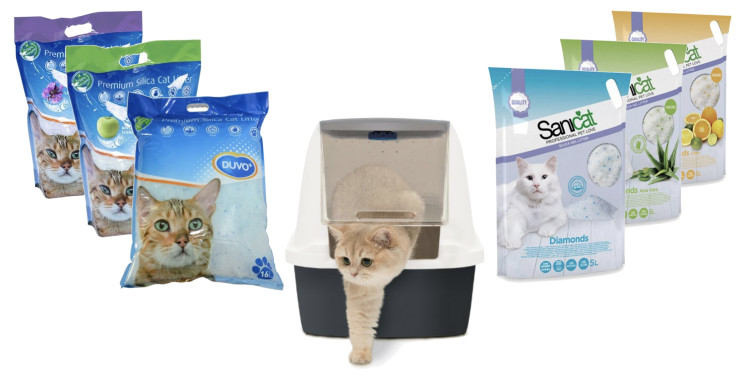
It is a synthetic sodium silicate litter, also known as crystal litter, due to its shape and color.
Cost: The cost is high compared to other types of litter.
Duration: By removing waste daily, it can last up to 30 days.
Advantages: High absorption power, neutralizes odors very well, does not generate dust. Biodegradable material that is very pleasant to the touch. When the cat urinates on it, its white color turns yellow, which makes it easy to detect when it is dirty.
Disadvantages: Silica has been linked to lung diseases. Detractors of clumping litters also argue that the dust released by these types of litters is harmful to the respiratory tract. To minimize this, we recommend using a covered litter box.
Minerals that generate respirable crystalline silica in work environments are dangerous. RCS is carcinogenic. Our minerals do not present this problem. Recently, the EUBA has conducted tests under extreme conditions simulating household use of all types of litter, and the results have indicated that the levels are so low that they are well below the detection level (Luis Vacas, National Account Manager at SANICAT)
Eco-friendly litter is relatively new on the market, but it is a very good option as it does not harm the environment at all, neither in its manufacturing process nor when disposed of.
Cost: The cost is high compared to other types of litter.
Duration: You may need to use more litter than usual because it is harder to separate waste than with clumping litters, and your cat might initially reject it due to its smell.
Advantages: Lightweight and easy to transport. It is biodegradable, so you can flush it down the toilet without any problem. Environmentally friendly.
Disadvantages: It is not as effective at eliminating odors, and its absorption capacity is usually lower; moreover, it can make more mess by sticking to cats' paws.
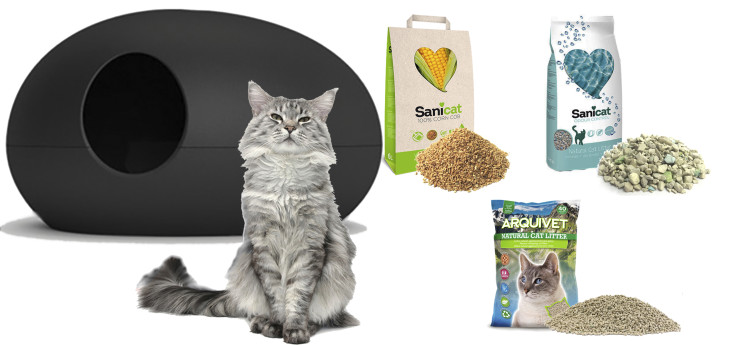
You already know that cats are creatures of habit, so if you're thinking of changing your cat's litter, introduce it into their routine little by little. For example, you can start by mixing it with their old litter, and give them time to get used to it.
The litter box must always be clean, not only for hygienic reasons but also because if it's not clean, your cat is very likely to reject it. Check your box about twice a day and remove any waste you find; this will ensure it stays clean. From time to time, you'll need to completely replace the litter in the box, but how often you should do this will depend on the type of litter you are using.
These are the types of litter you can choose for your cat. Which one will you pick? Tell us your favorite and why on our social media.