


Not only do humans suffer from stress, but cats also experience stressful situations, a body's reaction to a situation or a change, mainly in their environment, that alters their balance. A team of veterinarians from Ohio State University conducted a study on how stress affects cats (published in the specialized scientific journal Journal of the American Veterinary Medical Association), showing that it is the main cause of many of our felines' health and behavioral problems.
We can differentiate two types: "positive" or normal stress (eustress) or "negative" stress, which can become pathological (called distress). Therefore, not all the stress an ARISTOCAT suffers is bad. Positive stress is daily and routine and allows the body to adapt to the changes that occur in the environment during its life. However, when stressors interfere with its endurance and adaptation capacities, "negative" stress appears, causing behavioral changes and even the appearance of some diseases.
What is the difference between stress and anxiety?
We must also consider the difference between stress and anxiety in our pet. Stress generally affects the entire organism, while anxiety is an emotional and mental alert reaction to a danger that threatens the animal. One of the reasons why the terms are generally confused and thought to be similar is that anxiety is the most common reaction to stress, and similarly, anxiety can also generate stress.
Causes of stress in cats
The causes can be external, originating from the animal's living environment, or internal, belonging to the cat's own organism and usually related to the diseases it suffers from, which also cause stress. In many cases, it is very difficult to determine whether a change in a cat's behavior is due to a health problem or a stressful situation, as the symptoms and signs are very similar.
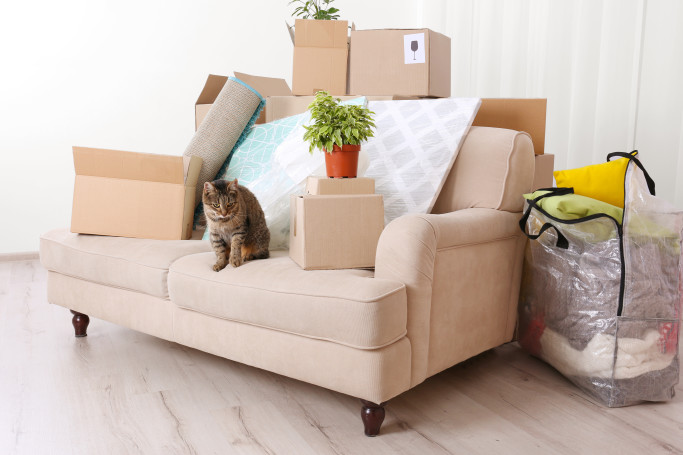
The most frequent causes of stress in cats are alterations in the physical environment and social factors. That is, because they are animals very "attached" to their comfort zone, any change in their environment or surroundings generates stress reactions. For example, some situations that can generate it are moving, home renovations, changes in furniture or home decor, travel... In addition, there are numerous factors that cats experience daily that cause changes in their routine and usual behavior that can also provoke stressful situations:
1. Other inhabitants of the house: One of the most common causes of feline stress is being constantly harassed by another inhabitant of the house, which forces them to remain in a constant state of alert.
2. Changes in the environment: The cat is a territorial animal, very routine, and control of time and space is vital for it. The absence of its owner, a too long trip, a move, loneliness... all this will create a state of alert that, if not controlled, will lead to permanent and harmful stress.
3. Trauma and abandonment: Cats that have been abandoned or physically abused in the past are animals that continue to show symptoms of "post-traumatic" stress.
Have you noticed that your cat might be stressed? What do you think were the reasons? Tell us on social media.