


You have a pet and it makes you so happy, you understand each other so well, you're so much for each other, that you think it's time to expand the family and get a second pet. Congratulations! Without a doubt, that is one of the most generous and beautiful decisions you can make, especially if the ARISTODOG that is going to complete your home is adopted.
It's clear that the first step to getting a second pet is deciding that you want one. Just like with children. But it's natural for doubts to arise. Especially concerning the reaction your veteran dog will have. The one who was the king of the house might not want to share his reign with anyone else, he might get jealous, he might... He can react in a thousand ways. That's why it's better to be prepared and have some basic notions on how to face this integration process. Let's look at it step by step.
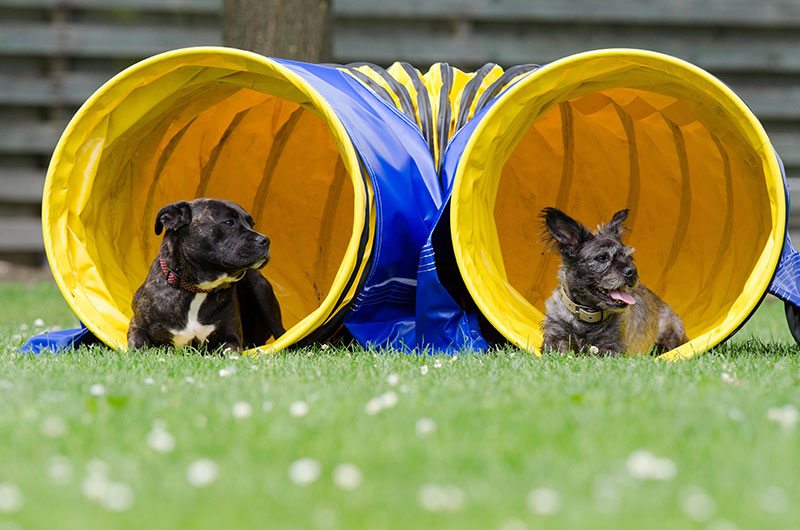
If it's a puppy:
1. In the first few days, avoid showing too much attention to the new dog, especially in the presence of the older pet; this way you can keep jealousy at bay.
2. Play with both pets to encourage integration. But remember: start playing with the older one, so it continues to feel important.
3. Find a good time for both pets to meet. If both are puppies, it will be easier, of course, because they will instinctively want to play.
4. If either pet growls at the other or its fur bristles, you must make it very clear that it will not be allowed to fight.
5. If you have a female pet, she will be more accepting of the other as females are more maternal and adaptation will be much easier.
6. It is also very important to prevent the new pet from invading the sacred spaces of the other, such as the food bowl or the bed.
7. Generally they have a lot of energy, be aware that it doesn't bother your first pet excessively, as it might not have as much energy as the newcomer and might be annoyed by so much activity.

If it's an adult dog:
As a general tip, it is recommended to be more careful. Consider that both dogs already have defined personalities. And that the veteran dog had assumed its role as master of the house.
1. To help make the introduction less invasive, try to have it on neutral ground, such as a park or another open space.
2. Ideally, have someone else help, so each person can hold one of the dogs.
3. If you do it at home, the best way to avoid altercations is to supervise them and keep them separated for the first few days. Let them sniff each other through a door.
4. Gradually, encourage them to meet, and above all, prevent them from fighting. Do not allow either of them to try to dominate the other.
5. Keep in mind that two adult ARISTODOGS may go through an extensive ritual of posturing, sniffing, touching, and even urinating. After this, one or both may simply choose not to pay attention to the other, but don't worry if there's a little growling or an attempt to dominate the "newcomer." You need to try to let them establish their relationship with as little interference from you as possible.
6. Remember that your first dog has established habits, so respect them: walks, meals, and playtime should all happen at the usual times. This will help your veteran dog not feel like there's "a before and after" in their life.
It's normal to be a little worried about how everything will go with a new dog coming home, but we assure you it's not as difficult as it seems. If there's love and mutual respect, it's only a matter of days until everything is perfect!