


There are many ways to collaborate with animal associations or shelters, and one of them is to be a foster home. This involves providing a temporary home for an animal in need until it finds a permanent family.

Foster homes are an essential help for shelters, which always have their facilities at full capacity. These foster homes allow animals to live a dignified life until they are adopted, acquire new habits of coexistence, and also provide shelters with more space to house more animals. In addition, some shelters do not have their own facility, making foster homes even more crucial in these cases.
There are many reasons why an animal may need a foster home, including:
– The shelter does not have its own facility
– The shelter is overcrowded and cannot accommodate all animals
– Newborn animals: Animals under one month old need constant care, especially if they are separated from their mothers, and a shelter cannot provide this level of care.
– Puppies: Even if they are not newborns, puppies need someone to educate them, teach them to coexist and socialize, and have time to play with them and keep them active.
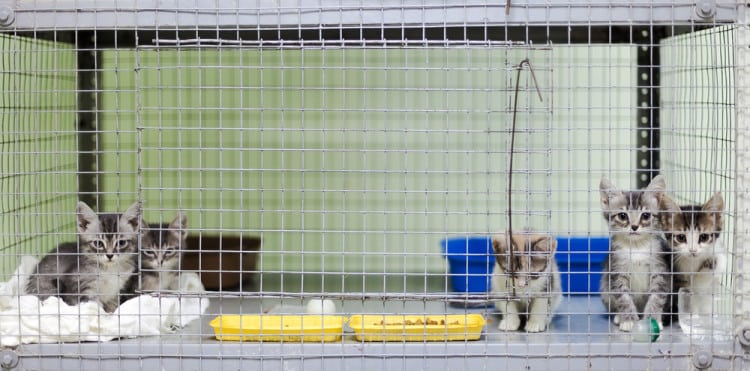
– Animals with behavioral problems: Animals that come from traumatic environments or experiences need a foster home to reintegrate and have a second chance.
– Sick animals: If the animal has an illness, the shelter will not be able to care for it as needed, so a foster home is the best temporary option for them.
Of course, any animal may need a foster home; a kennel or shelter is not an ideal place for anyone, but the cases we have just mentioned require the most urgency.
For an abandoned animal, a foster home is a golden opportunity. Thanks to you, they will have all their needs met: food, a bed, affection… Most foster animals need special care, either because they have an illness, are malnourished, or are simply very timid, so you will have to offer them extra attention. If you have decided to be a foster home for newborns, you will also have to feed them every two hours and ensure they are developing correctly.

During fostering, the association often covers the animal's economic expenses, including its upkeep and necessary veterinary visits. You will have continuous support from them; they will resolve any questions you may have and closely monitor the animal. They are also responsible for finding an adoption for your foster animal, although you can be as involved in that process as you wish.
Being a foster home, of course, is a responsibility. Rocío, from the Hogar de Paz shelter, emphasizes that being a foster home entails a responsibility towards the animal you take in. The shelter covers all expenses and veterinary costs, but fostering is NOT a way to have a pet without commitment; the animal's well-being must be prioritized. Fostering is always carried out through a contract with the shelter, and you must be aware that adoption is a process that takes time, so the animal may be with you for months. She also recommends not offering a foster home for a fixed period because it is very detrimental to the animal to have to return to the shelter after it had already become accustomed to having a home.
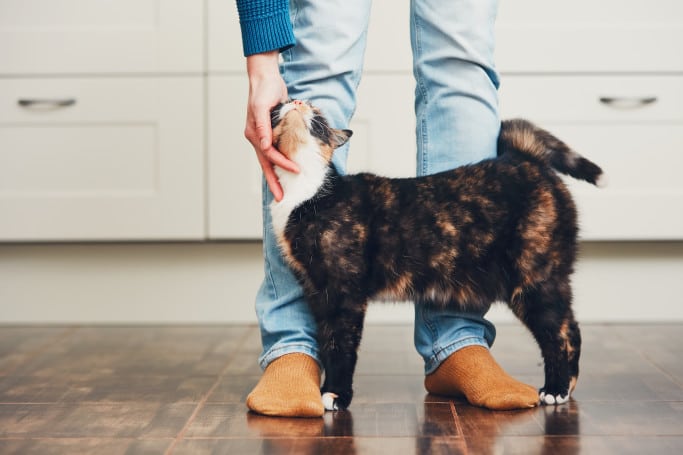
Once the animal finds a permanent home, it will always be sad to say goodbye to them, but having given them the opportunity to get off the streets, knowing that you very likely saved their life, and that they now have a family that will care for them in the best possible way is very comforting. And if you can't imagine saying goodbye to them, you can be the one to give them a permanent home through adoption 🙂
There are many dogs and cats struggling on the streets who will be infinitely grateful if you make room for them in your home until they find a forever family. At ARISTOPET, we encourage you to experience this enriching experience firsthand. If you are interested, you can contact the Hogar de Paz shelter via their email hogardepazanimales@gmail.com, their phone number 615 964 586, or their social media, or other shelters such as Protectora Nueva Vida or Protectora Villa Pepa.