


Today, for all our ARISTOPETERS, we want to talk about dog sterilization, a topic that still generates controversy, doubts, and even new myths. It is a fact that fertility in our pets is beneficial for them, for their health and offspring. However, timely surgical intervention is a decision that should not be underestimated or taken lightly. Let's find out why together!
Sterilization is a medical process that, like everything, brings benefits and some consequences that can affect your dog's behavior and physical condition. That's why it's always important to consult with our trusted veterinarian and understand the correct time to perform this surgical intervention.
Can our ARISTODOG's behavior change?
Sterilization, as a medical process, involves eliminating the production of sex hormones like testosterone, the main driver of libido in animals and humans. This means that our dog's behavior can vary, and they may stop performing certain instinctive habits, such as marking certain places with urine to demonstrate their alpha position, or hypersexuality with objects and other canines. In fact, Virmac, a pharmaceutical group specializing in animals, indicates that females usually experience greater changes, not only in their behavior but also in their mood. However, this does not mean that your pet will stop being the one you knew, as their core personality, formed by their upbringing, will still exist. Moreover, if you want more peace of mind, there are reversible treatments available that will give you greater confidence in assessing your canine friend's temperament before the treatment becomes permanent.
Is dog sterilization more necessary for females than for males?
This question is often asked, as we consider our goal to be preventing our female dogs from having puppies. But that doesn't mean that only they should undergo this type of treatment.
The benefits of this practice extend to both sexes and go far beyond a simple matter of fertility. For example, according to Dr. Leticia González García of the RIOSECO veterinary clinic in Valladolid, sterilization in male dogs can prevent prostate or testicular diseases, and, not to be forgotten, calm your pet's hyperactive behavior. In the case of females, early sterilization (during their first or second heat) can prevent breast cancer and potential future uterine infections, known as pyometras, which can be fatal if not treated in time.
Can my dog gain weight after being sterilized?
Sterilization can reduce your dog's metabolism and lead to a more sedentary lifestyle, which could affect their weight. However, the solution to this is to make changes to their lifestyle and diet, accompanied by advice from your veterinarian. This way, we will adjust to their new needs.
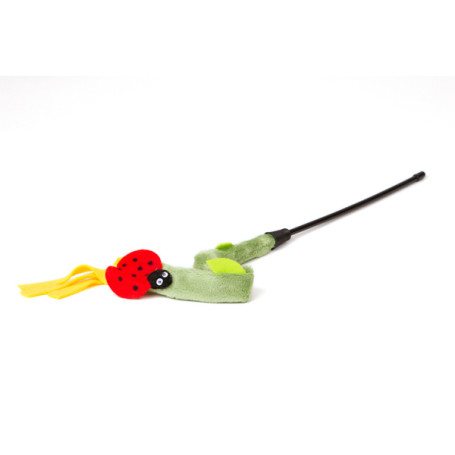
Remember that at Aristopet, we have a whole section of toys and items so you can play with him outdoors or at home, promoting his daily activity and energy level. Find the best for your ARISTODOG or ARISTOCAT!


What post-sterilization care should we keep in mind?
After sterilization, your friend will be somewhat drowsy, a natural reaction to the anesthesia used during the operation... but nothing to worry about! Your pet will soon regain the energy and spirit that characterizes them.
An important point to keep in mind is the differences in recovery and treatment for females and males, so it is important to consult your trusted veterinarian. However, in general terms, these are the minimum care considerations for each sex:
Post-sterilization care for males:
- Monitor your pet's behavior and sleep during the first night.
- Since anesthesia can cause dizziness and digestive upset, we recommend offering a bland, nutrient-rich diet.
- Care for and set reminders to correctly administer the pharmacological treatment prescribed by your veterinarian.
- Typically, you will need to visit the veterinarian 3 to 10 days after the operation.
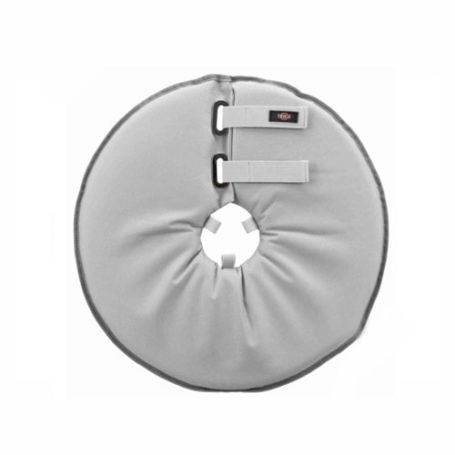
- We recommend using an Elizabethan collar to prevent your pet from licking or injuring the wound. At ARISTOPET, we have models available for you, which you can view by clicking HERE
Post-sterilization care for females:
- Monitor your pet's behavior and sleep during the first night.
- As with males, anesthesia can cause dizziness and digestive upset, so we recommend offering a bland, nutrient-rich diet.
- Care for and set reminders to correctly administer the pharmacological treatment prescribed by your veterinarian.
- Unless the operation was laparoscopic, the wound in females is usually larger than in males. Therefore, you should check the wound regularly and rigorously to ensure it is healing correctly according to your veterinary doctor's instructions.
- For the same reason as above, to prevent your dog from jumping or leaping in dangerous places, when you decide to resume her walks, don't forget the leash and keep her close to you to prevent her from getting hurt. Likewise, we remind you that you can visit our entire walking section HERE.


And you, ARISTOPETER? Have you already sterilized your pet? Do you have any doubts that haven't been answered in this article? Always consult your veterinarian, and we'll read each other on our social media to continue growing and learning together!