


Cats are so lovely that sometimes we tend to think that nothing affects them, that their feline life is perfect. But of course, there are things that affect them. And one of them is heat.
During winter, it's common to see them resting in full sun, sprawled out. Or sleeping on a radiator, in front of the fireplace, near the oven... When it's cold, they seek warmth, as is logical. But when it's hot, they can suffer.
Which cats are more prone to heatstroke?
All cats are susceptible to it. But senior cats, kittens, overweight cats, and those with heart disease or respiratory problems are more likely. In fact, special care must be taken with brachycephalic cats, that is, those with flat faces such as the Burmese, Himalayan, Exotic Shorthair, and Persian. These animals have smaller and narrower nostrils, and their trachea is abnormally narrow. The generalized narrowing of the airways increases resistance to air intake, making oxygenation difficult.
What can be done to prevent it?
To regulate their body temperature, cats use the evaporation of saliva they deposit on their fur during grooming sessions. They sweat from their paw pads and may pant. However, if it's very hot, you need to make it easier for them.
1. Fresh water 24 hours a day
Leave fresh, clean water available for them throughout the day, and regularly check that there is water in the bowl and that it's not in direct sunlight. A trick to keep the water cool is to put an ice cube in the bowl (without overdoing it, as some cats don't like cold water). To encourage your cat to drink water, you can place more water bowls or a fountain, such as the ones we have at ARISTOSHOP.
2. Beware of the sun
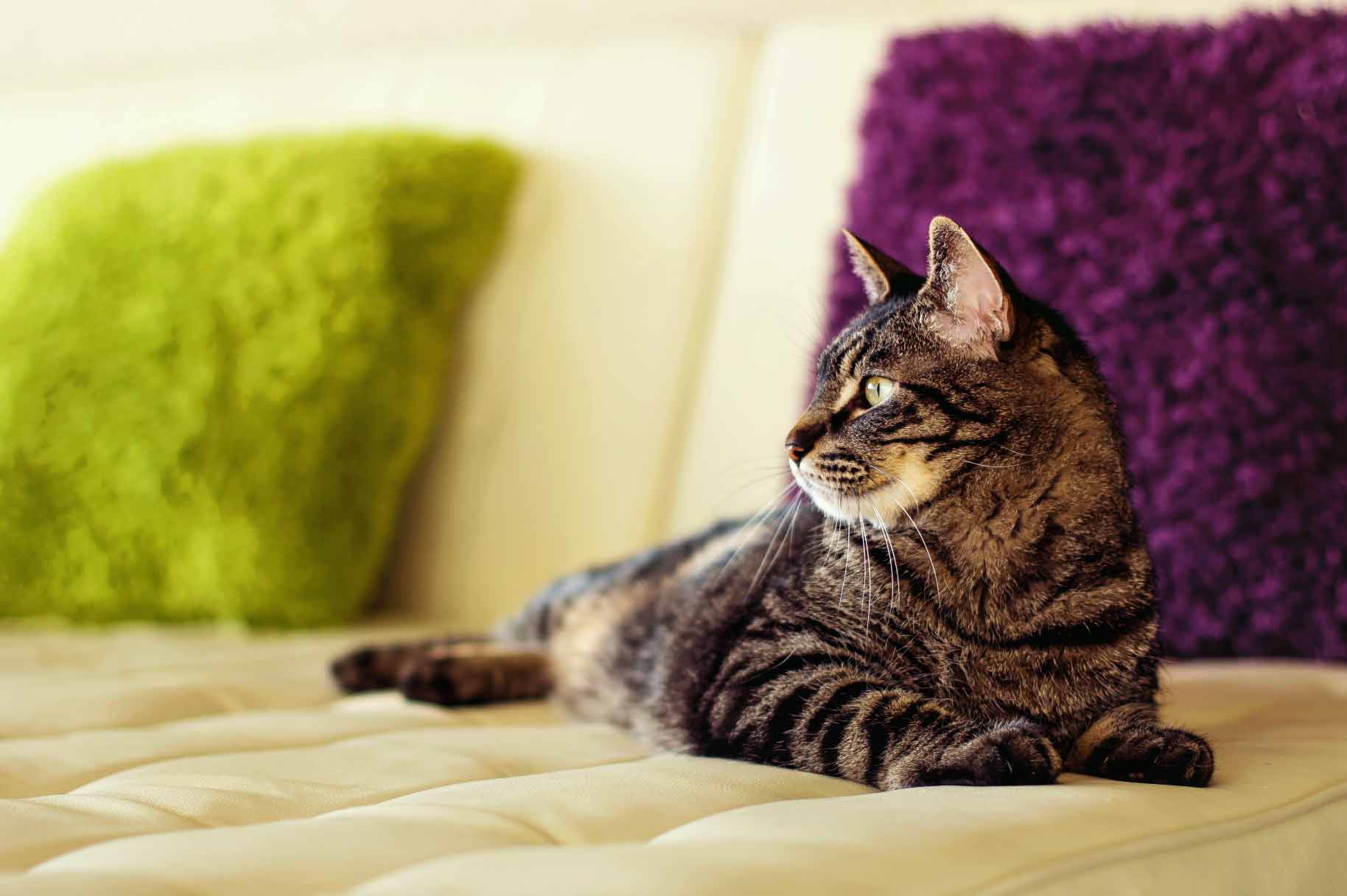
It is very important for the cat to have a cool and shaded place to rest, especially during the hottest hours of the day. This applies to both indoor cats and those who have outdoor access.
3. Less activity during peak hours
When it's hot, cats become less active. To protect them from excessive heat, it's recommended that they do not exercise during peak hours. It's better to play with them at dusk or early in the morning.
4. Improvised cooling shelters
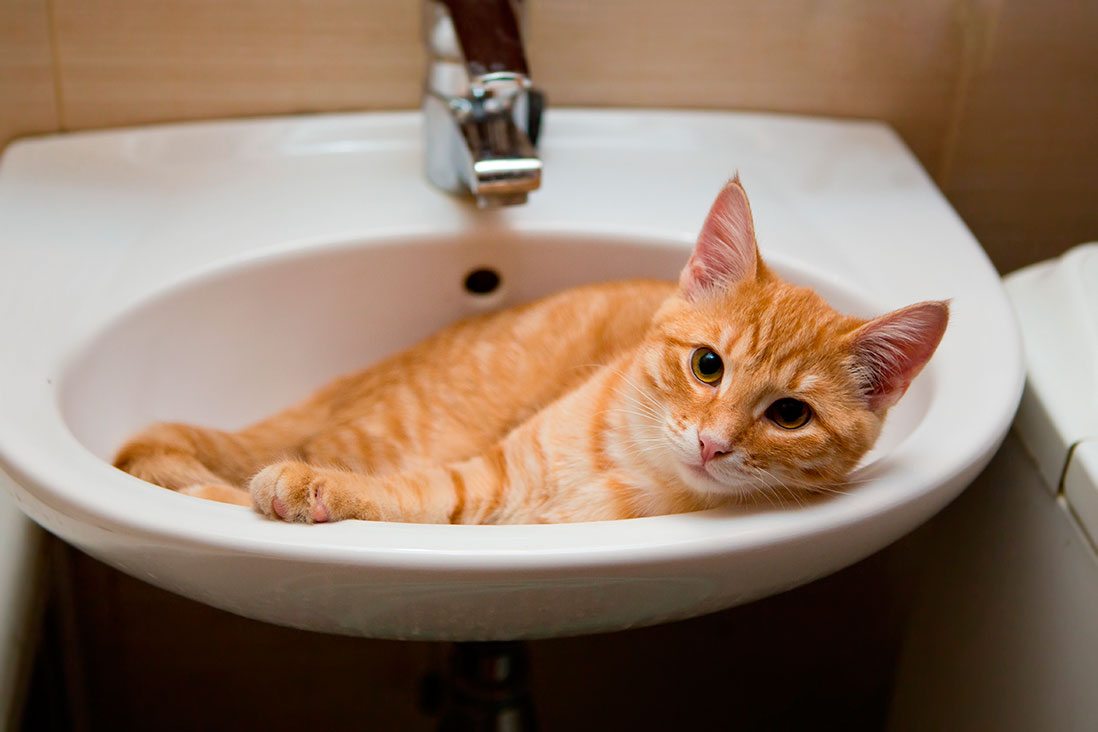
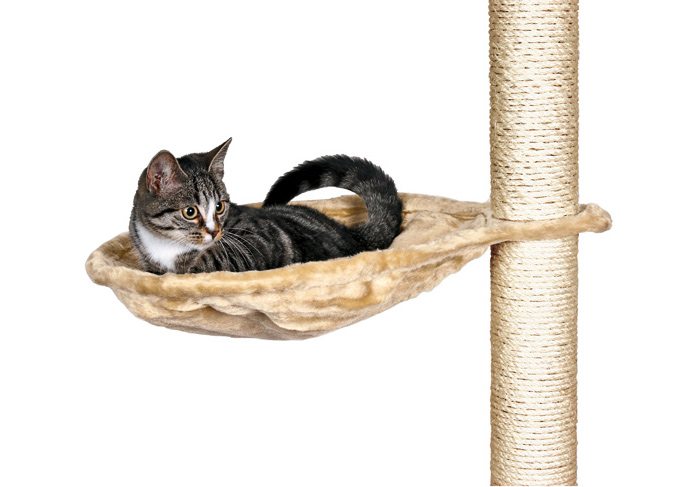
Many cats find the coolest spots in the house to rest. Such as the bathtub, the sink, or the kitchen sink. And you can help them with this too. For example, by placing a bag of cool water (and even some ice cubes) under their bed. Or buy a bed that promotes heat dispersion, such as raised beds, like this origami hammock, or those made of breathable material.
5. Cool them down
On very hot days you can wet them with a damp towel from head to back. The water, as it evaporates, will create an effect similar to our sweat and although most cats don't love contact with water, they usually tolerate a damp towel.
6. Travel in good conditions
If you are traveling with your ARISTOCAT, be careful with the temperature and ventilation in the car. It is best to travel during the coolest hours of the day, stop occasionally to give them water, and make sure they are well.
What are the symptoms of heatstroke?
Even if you have put all the above tips into practice, if the cat's temperature rises too high and it suffers from heatstroke, you will notice these signs: the cat may become nervous, start panting, salivate excessively, feel hot to the touch, tremble, stagger, vomit, and its gums appear darker and more intense in color. If this happens, go directly to the veterinarian.
We hope that the summer will be happy and uneventful for everyone, with the help of these tips. If you have an ARISTODOG as well as a feline, you can continue reading this other post, where we talk about how to protect dogs from heatstroke.